May Malaise

"This springtime in Wyoming is a bust!" . . . .

“This springtime in Wyoming is a bust!” . . . .

We can usually count on spring-like weather for Mother’s Day in early May.  Not so this year!  Rains started Friday evening, continued all day Saturday, turning into snow late afternoon, and leaving 4-5 inches of white stuff on the ground this Sunday morning May 10, 2015.  We stare out the window looking for signs that it will abate to no avail.  The snow is still coming down, blowing sideways in the wind.  Bah humbug!  We had to cancel plans to attend the Wyoming Symphony’s last performance of the season last night, and put on hold a trip to Red Feather to visit our cabin today.  Maybe we’ll make plans again in July!

Mouseketeers

New in town . . . .

New in town . . . .

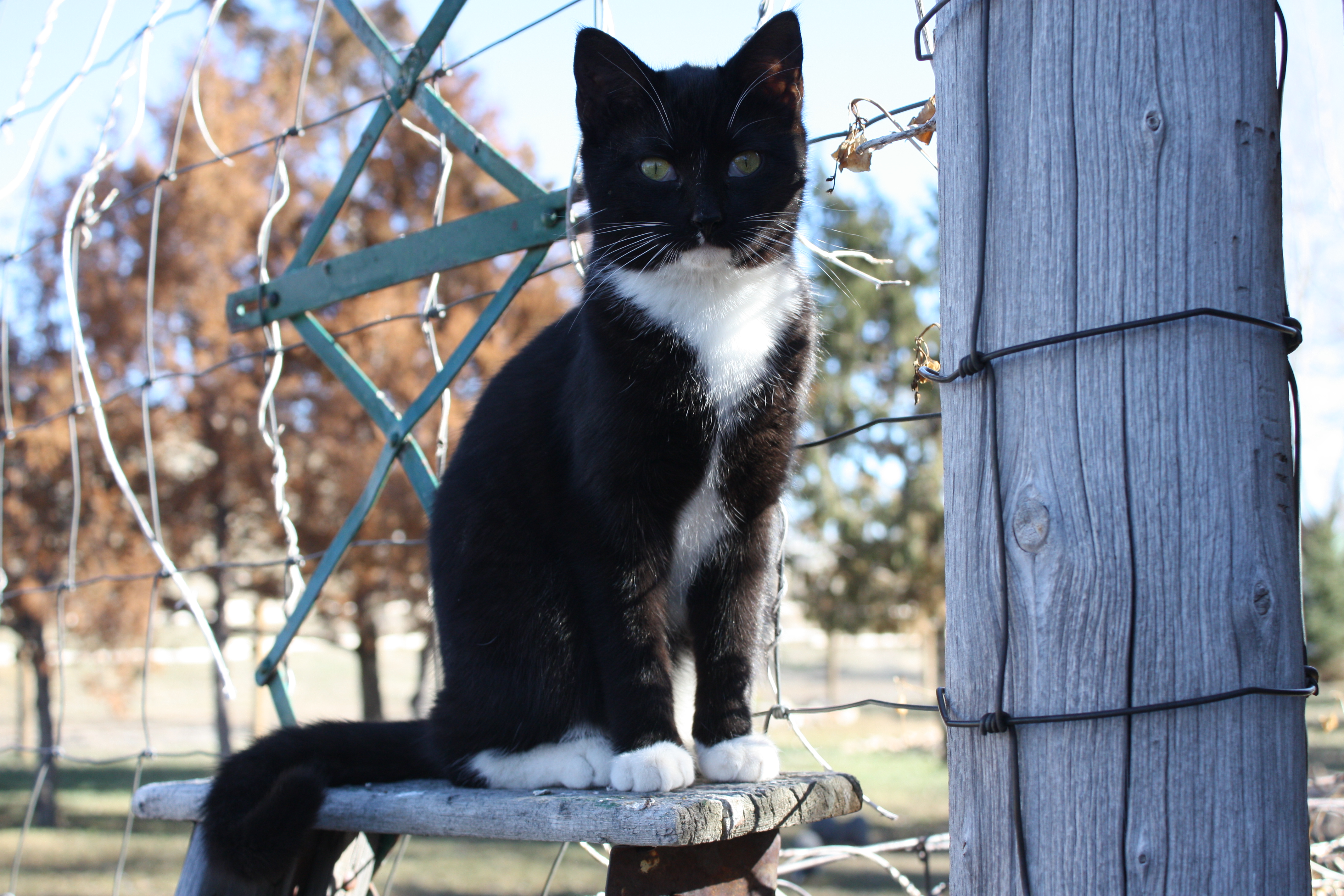
The backup plan for the mouse invasion entailed acquiring two adorable new kittens.  This young lady looks so much like Dad’s old cat TuTu that we named her TuTu2.  Her mustache isn’t quite so pronounced, but her personality makes up for her lack of exotic coloration.

HIgh hopes . . . .

High hopes . . .

Take a bow, Oscar Wild!  He and TuTu2 have been together since they were babies, although they are not of the same litter.  They were in the garden with me surveying the chaos left from last year, and decided Rosie was going to be a challenge.  These adorable, gentle kittens reside in their mobile home inside the chicken house at night and have already earned their keep!  The mice are scarce for the first time in a few months.

The last snow bank . . . .

The last snow bank . . . .

The remaining crust of snow from a huge drift that sits in the shady corner of the garden looks like a good drink for Rosie.  She has Oscar pinned on a post, so she decides to gnaw on the ice for a bit.  She is going to have to adopt these kittens and share her world. The kittens follow us everywhere–to the barn, the garage, the orchard–all the places we walk on our daily routine.  Rosie responds by tackling them, nipping at them and trying all sorts of intimidation, to no avail.  They make me nervous when they wander into Tilly’s corral as they are not afraid of a horse that could squash them flat with one misstep. Tilly isn’t at all sure she likes having them around and we hope she learns to ignore them.  For now she’s wavering between curiosity and distrust, which must be her genetic ambivalence for the cat species.

Got mail? . . . .

Got mail? . . . .

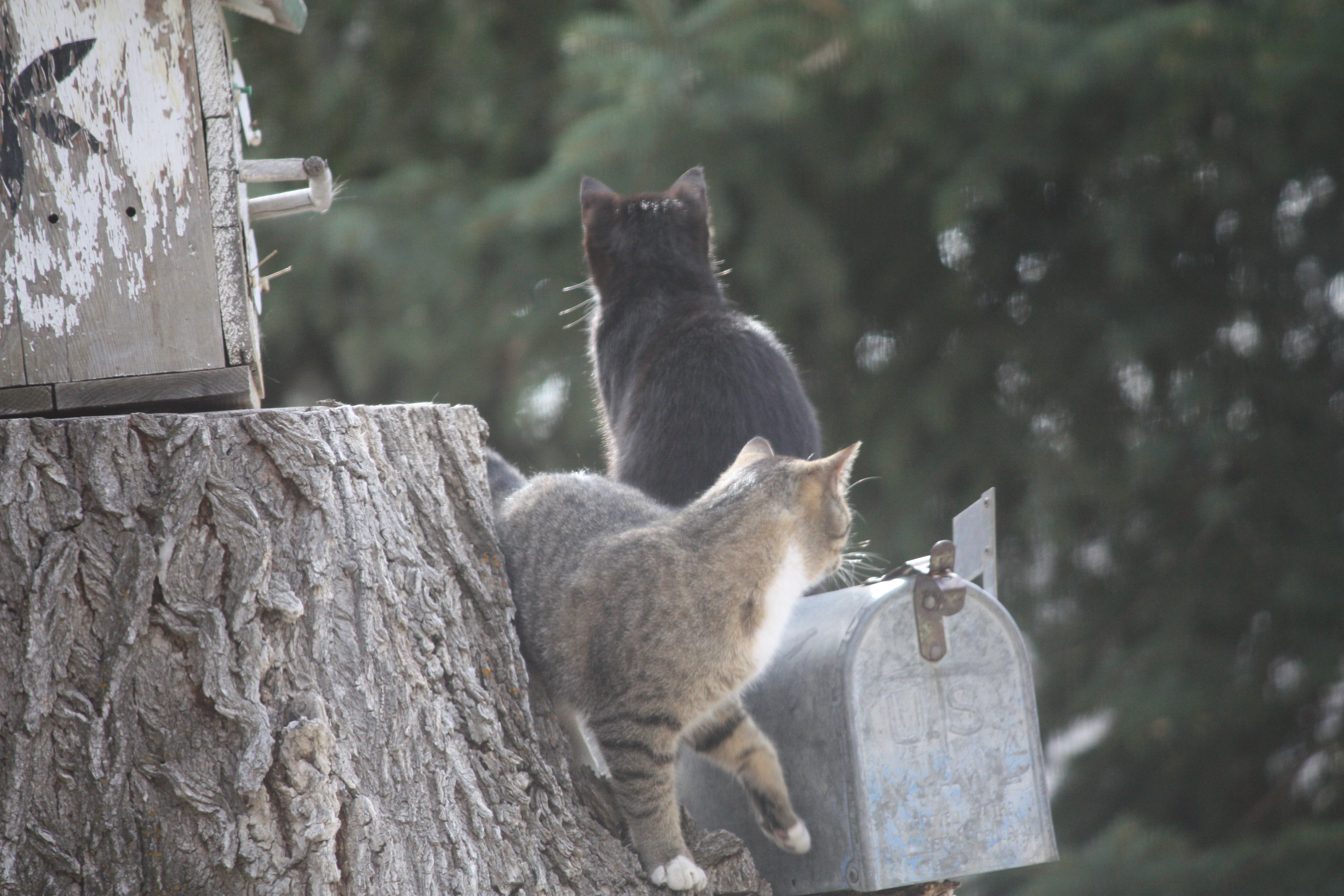
Fortunately there were no residents in the bird hotel.  This pair will bring a lively challenge to the scene, and we hope they are so busy chasing mice they will leave the bird population alone.

Homestead House

Marriage of convenience . . . .

This photo is of my great grandmother Clara standing in the breezeway between two structures on the homestead, circa 1922.  Both structures were moved from their original sites, which were nearby homesteads that had been relinquished.  The log house was moved yet again a few hundred yards to the west in 1938 to become the newlywed home of my parents and a lean-to was built on the cottage, which moved for the second time to ranch headquarters about five miles southeast in the late 1950’s where it stands today.

The "bunkhouse" . . . .

The “bunkhouse” . . . .

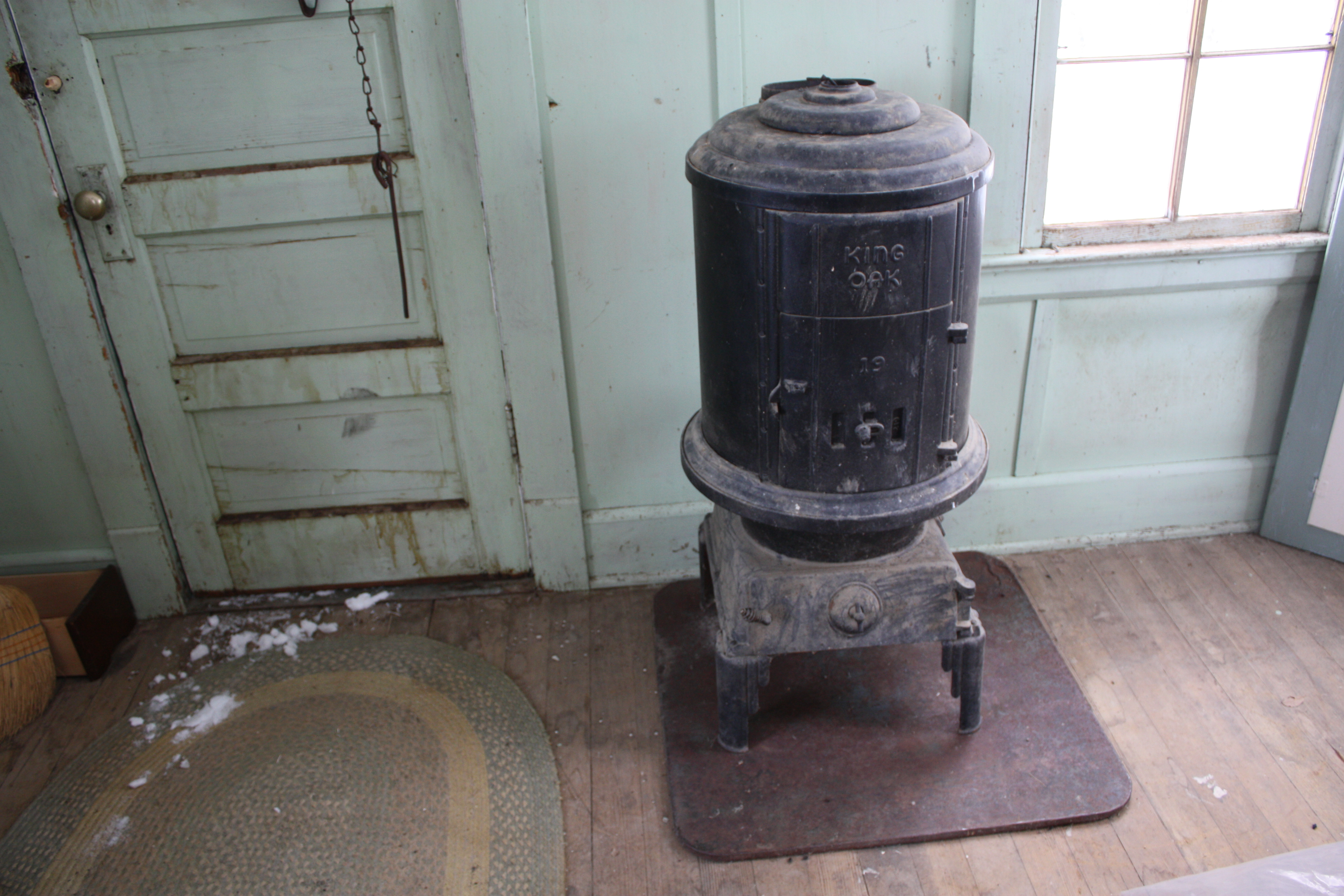
I undertook painting the little house for the first time when I was a teenager.  Very few homestead houses ever saw paint, which was an extravagance few of the early pioneers could afford.  After relocation from the homestead, it became the “bunkhouse” and was home to a cast of characters that worked as hired hands on the ranch.  It was still heated with a wood stove in the early years.

Waiting to be in service again . . . .

Waiting to be in service again . . . .

A hail storm damaged the roof in the 1980’s and Dad replaced the west side of the roof with asbestos shingles, leaving cedar shingles on the east.  In the 1990’s I engaged a local carpenter to replace a broken floor joist and lay a concrete block foundation which finally stabilized the structure, which was still standing on the wooden blocks it was placed on when it came from the homestead site.  In 2001 I repainted the exterior for the second time in my life, and made a few minor repairs, replacing some trim and broken window panes.  By this time the “bunkhouse” was used for storage and considered unfit for human habitat.

Old and new . . . .

Old and new . . . .

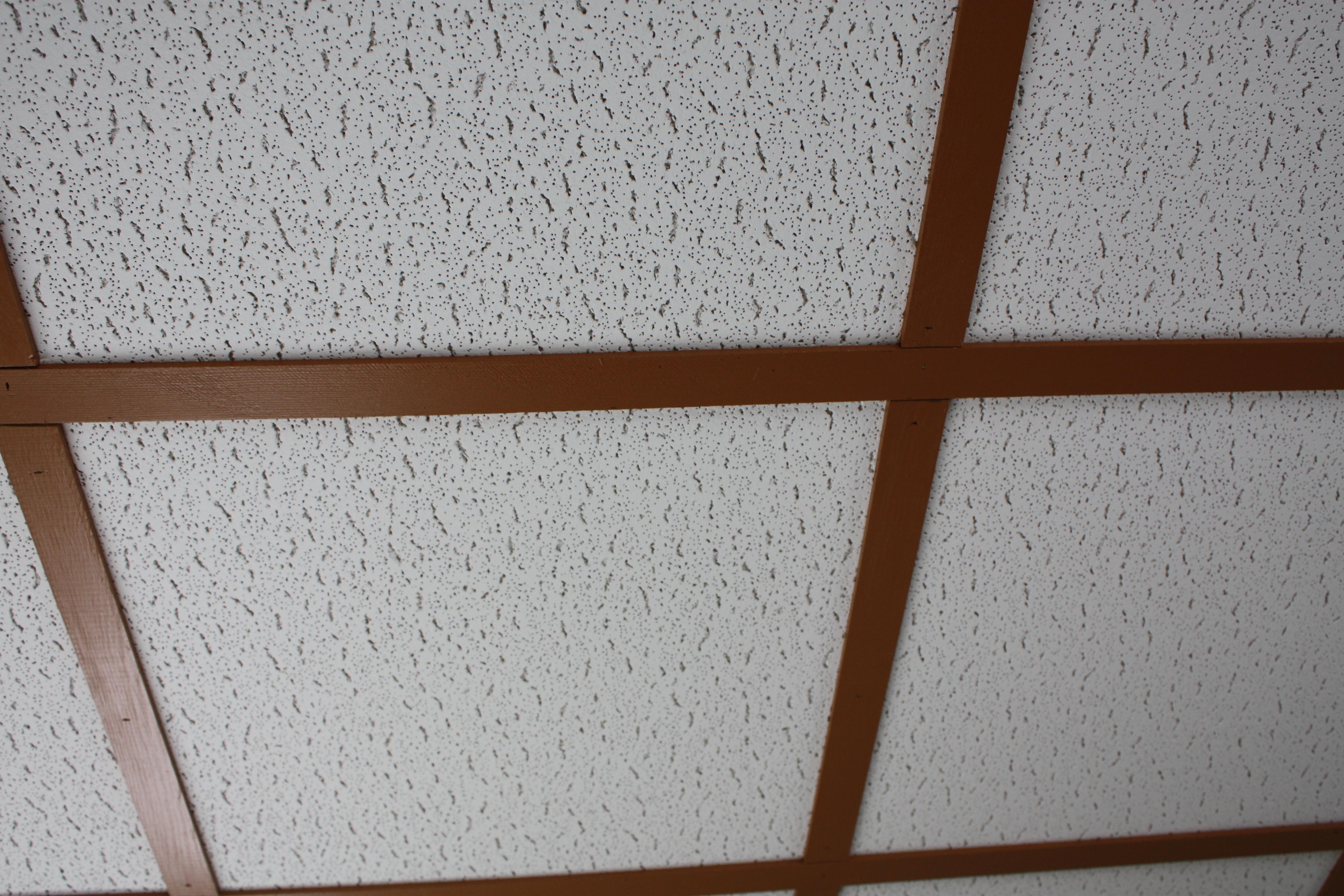
My lifelong love for this old structure started getting into my pocketbook in a more serious vein in 2005 when I had the roof finished (fortunately I was able to match the same color shingles as Dad had installed) and we hung a new ceiling.  The old beaver board had warped and was stained with water leaks from the failing roof, but the wooden cross beams were still in good condition.  I matched the paint color, repainted them and we hung them back up over new ceiling tiles, replacing a few that broke in the process.  We laid insulation in the attic and buried an electrical line that eventually will help with lights and ancillary heat.

Design elements . . . .

Design elements . . . .

The carpenter who built the little house was skilled and added some ornamental elements that I treasure.  The interior was painted green sometime in the 1950’s and a new paint job is badly needed, as can be evidenced by the fly specks, paint splatters and heaven only knows what else that adorns the walls.  I purchased paint to redo the interior several years ago, and plan to take it back to the colors that existed when my great grandparents resided here.  I have some concern about removing the green paint splashes from the antelope horns that are part of the original fixture.  It’s a great hat rack and I don’t want to break it!

Kitchen built-ins . . . .

Kitchen built-ins . . . .

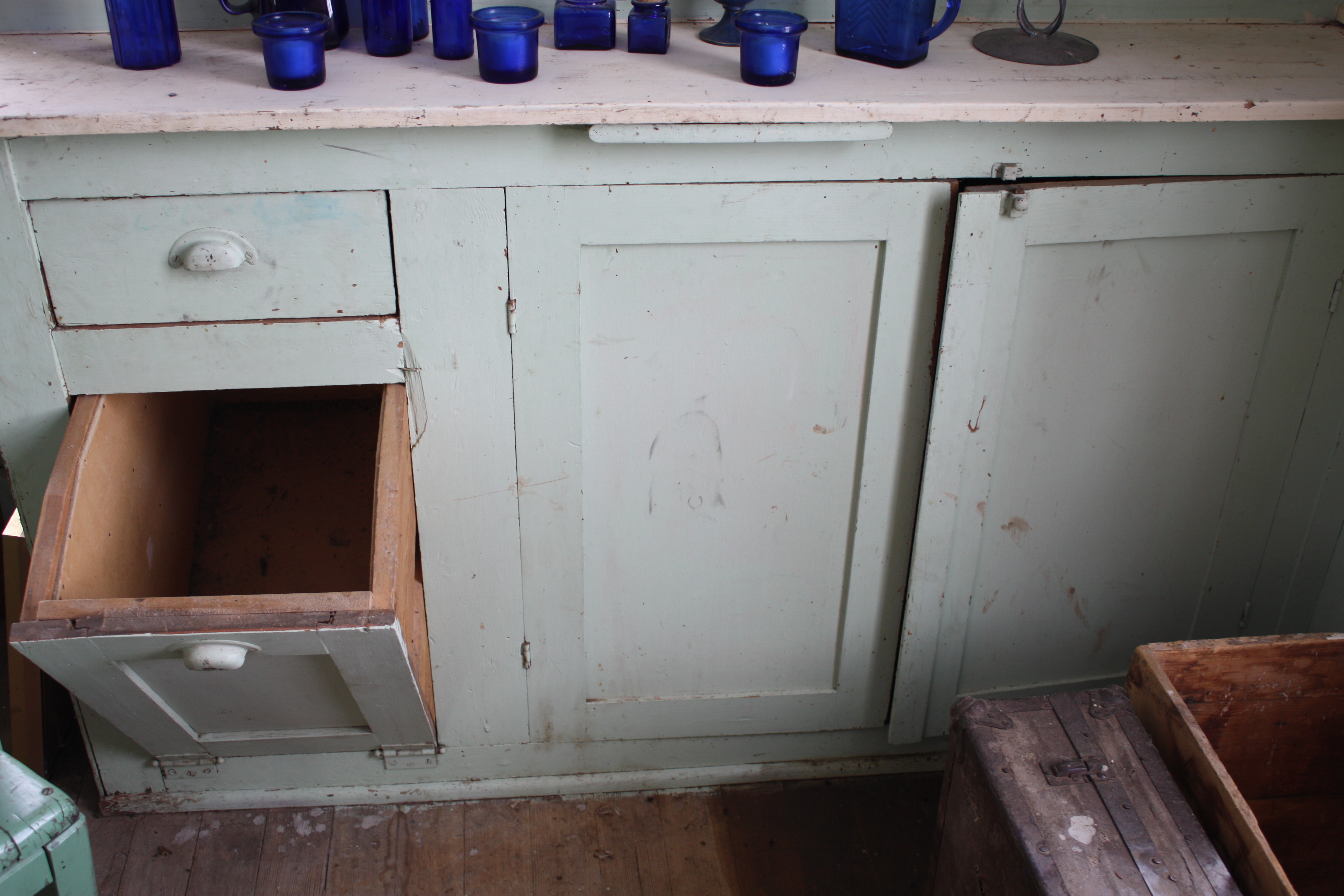
The flower bin still functions, as does the pull-out kneading board under the kitchen counter.  The cupboards are built into the wall and have stood the test of time.

Upper kitchen cupboards . . . .

Upper kitchen cupboards . . . .

The interior of the cupboards was lined with wall paper and the interiors will all need to be scraped and cleaned thoroughly.  Years of vet supplies, household cleaners, and miscellaneous junk left quite a mess.

Door to the root cellar . . . .

Door to the root cellar . . . .

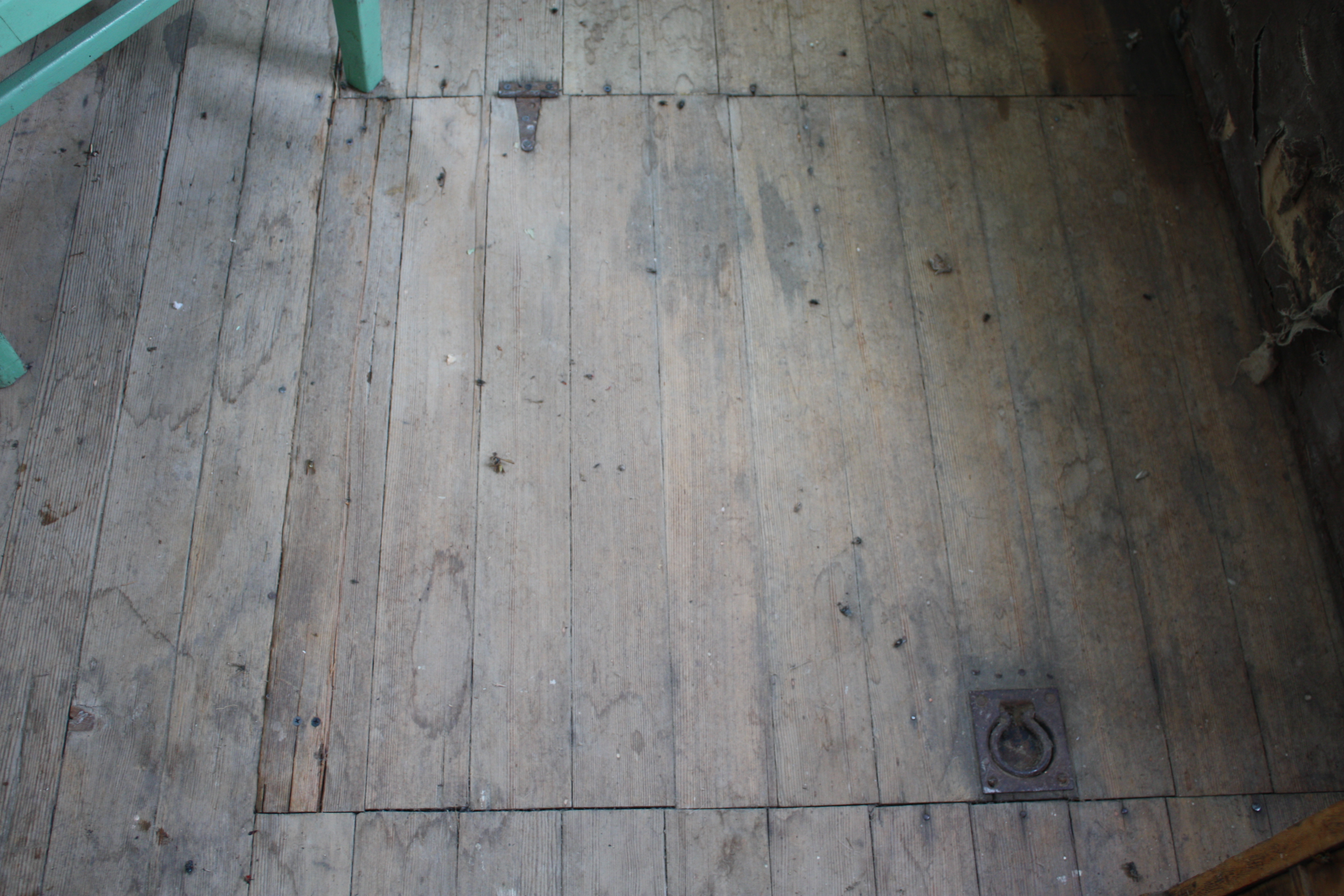
Doesn’t everyone have a trap door in the floor leading underground?  The root cellar was where you stored food to keep it cool.  I recently toured our homestead site where the little house sat and the foundation stones, as well as the dug out area of the cellar are still visible.

Safety lock . . . .

Safety lock . . . .

A new and final phase of restoration is underway.  Considering how many years I have devoted to this project over my lifetime, that is probably an exaggeration!  Nevertheless, a plan to re-install the wood stove and chimney, replace rotted window sills, re glaze the windows, paint the interior, caulk, replace one or both of the doors, add screen doors, complete the electrical hookup and whatever else turns up should make it a delightful little guest cottage.

Looks like work . . . .

Looks like work . . . .

Removing windows that have been in place for nearly 100 years is a job requiring patience and more skill than I have, however I am persevering.  Each layer of trim and supporting structure that holds the windows in place has been saved, except the linen-looking rags that were used for weather stripping!  I will attempt to use something else to install the windows as air-tight as possible.  I won’t use caulking, as it makes it impossible to remove the windows for future repairs.

Window repair shop . . . .

Window repair shop . . . .

After refurbishing 20 windows in our historic chicken house, re-doing five for the homestead house seems like a cake walk.  Still, this is a job!  Removing the old glazing is the worst of it.  I have had to replace some window panes that I broke trying to get the points and putty dug out.  I have three windows glazed and painted with oil-base primer.  I will remove the remaining two windows as we install new sills all around.  Once all the windows are restored and in place, I will finish painting the interior.  And my great grandmother Clara is invited to be our first guest.


First Saddle is a Giant Yawn For Tilly

"Saddles bore me" . . . .

“Saddles bore me” . . . .

Tilly’s reaction to the rite of “first saddle” was amusing.  She was trying to wiggle out of it, and it has slipped some distance down her back after a couple of hours of wandering free around the corral and her shed.  She seems to be calmly waiting for us to rid her of it. I couldn’t resist snapping her giant yawn!  At this stage of the game, she has been familiarized with the saddle blanket, allowed to sniff it, chew on it and maul it around, knocking it off the fence a few times. She previously wore a bareback riding pad for a few stretches of time, so the blanket wasn’t anything too surprising to her, nor was the cinch on the saddle.

The saddle we intended to use for her training is still sitting in a queue at the saddle maker’s shop awaiting repairs.  Dad’s big old saddle weighs a ton and doesn’t seem appropriate for colt starting. We decided to improvise and borrow a youth saddle from Neighbor Tom. The advantages are it is light-weight and easy to handle, although it lacks a belly cinch, which is kind of critical. We put it on and took it off a couple of times, cinched it up gradually and then I hooked a longe line to her halter and led her around the corral so she could become comfortable with the feel of the saddle.  After a few minutes I asked her to walk on and then gave her a command to trot.  She humped her back and jumped a couple of times, then evened out in a nice even trot for several rounds.  The stirrups are light and narrow and when bumping her sides did not seem to bother her.

"Is this any way to treat a horse?" . . . .

“Is this any way to treat a horse?” . . . .

Tomorrow we will put a breast collar on and attach it to the saddle to hold it in place.  We don’t want to begin by cinching too tight, and we don’t want the saddle to slip off, which would be a yard sale to say the least.  Next on the agenda we will try to get her to take a bridle with snaffle bit.  She is very sensitive around her mouth, so this should be an enterprise.  I think I’ll rub a little honey on the bit and surprise her.


Building A Better Mouse Trap

"Do you think this is a new watering bucket?" . . . .

“Do you think this is a new watering bucket?” . . . .

The historic hen house has lots of unwanted critters, mostly mice.  So many mice that placing traditional mouse traps to catch them would require daily loading and emptying traps beyond anybody’s patience (not to mention squeamishness to bug-eyed dead little critters).  Placing mouse and rat poison is not an option.  All the other devices we studied in the hardware store seemed completely inadequate to solve a serious mouse population in a 40′ x 16′ chicken house.  This five-gallon bucket filled 2/3 with water is a perfect dunk tank.  All the mice have to do is walk the plank, taste the peanut butter spread on the bottle, which then turns on its axis dunking the mice in the water.  Voila!

This amazing invention was found on the Internet and is working very well.  Our thanks to the inventor, whoever you are.  Now if we can keep the girls from eating the peanut butter. We have also tried Nutella, just in case the mice have a preference.

“O’Keefe Country” – Revisited

where the wind blows . . . .

where the wind blows . . . .

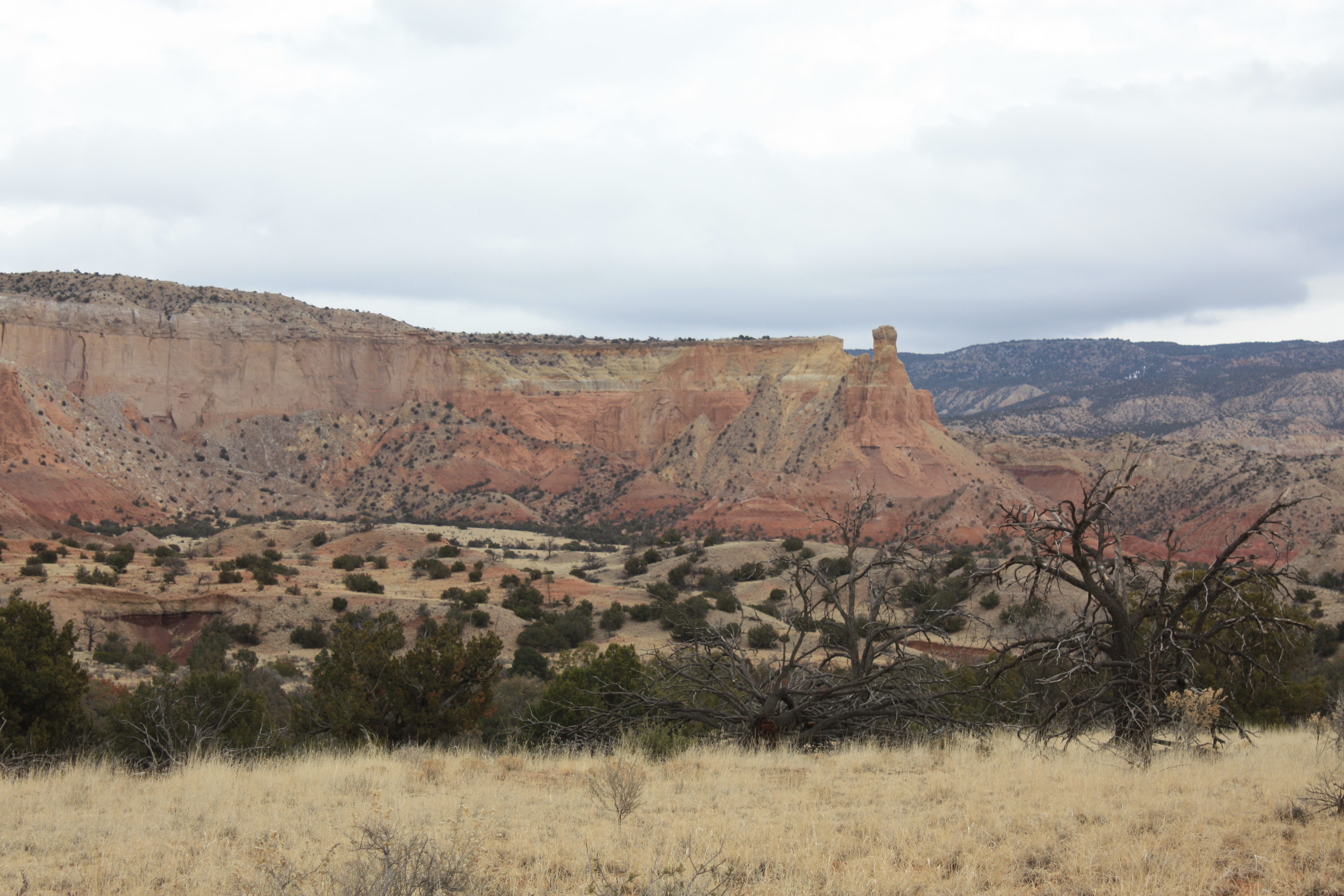
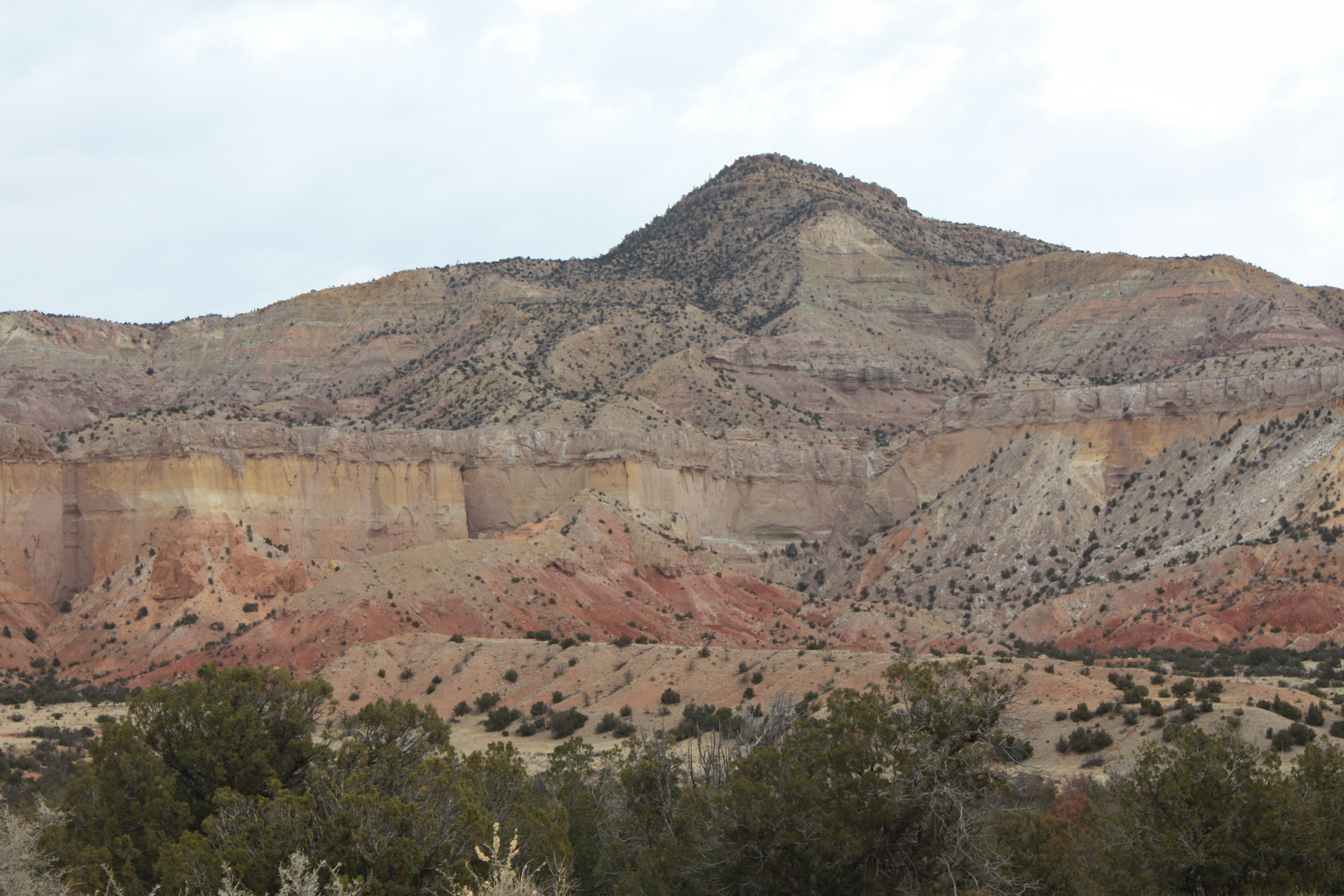
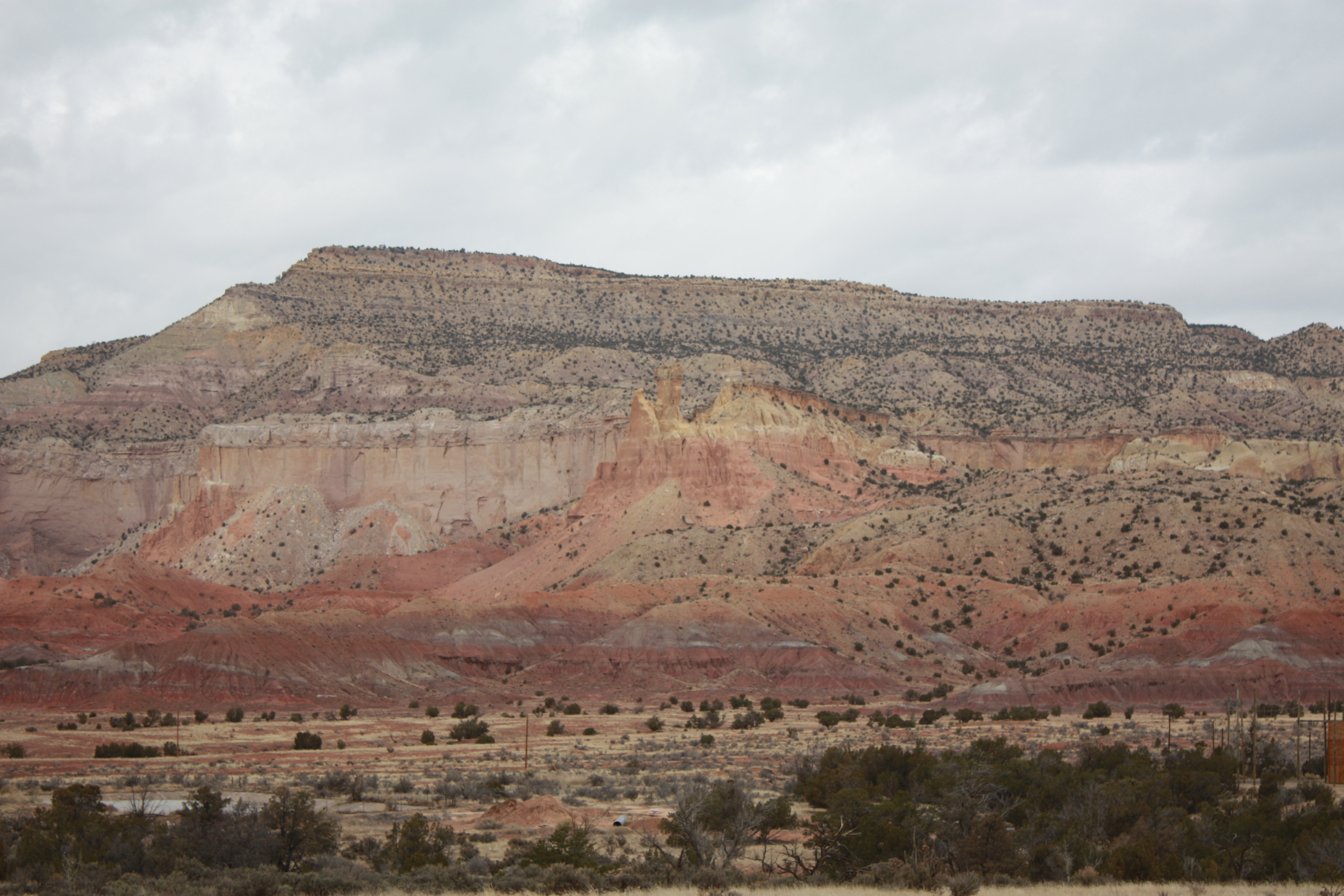
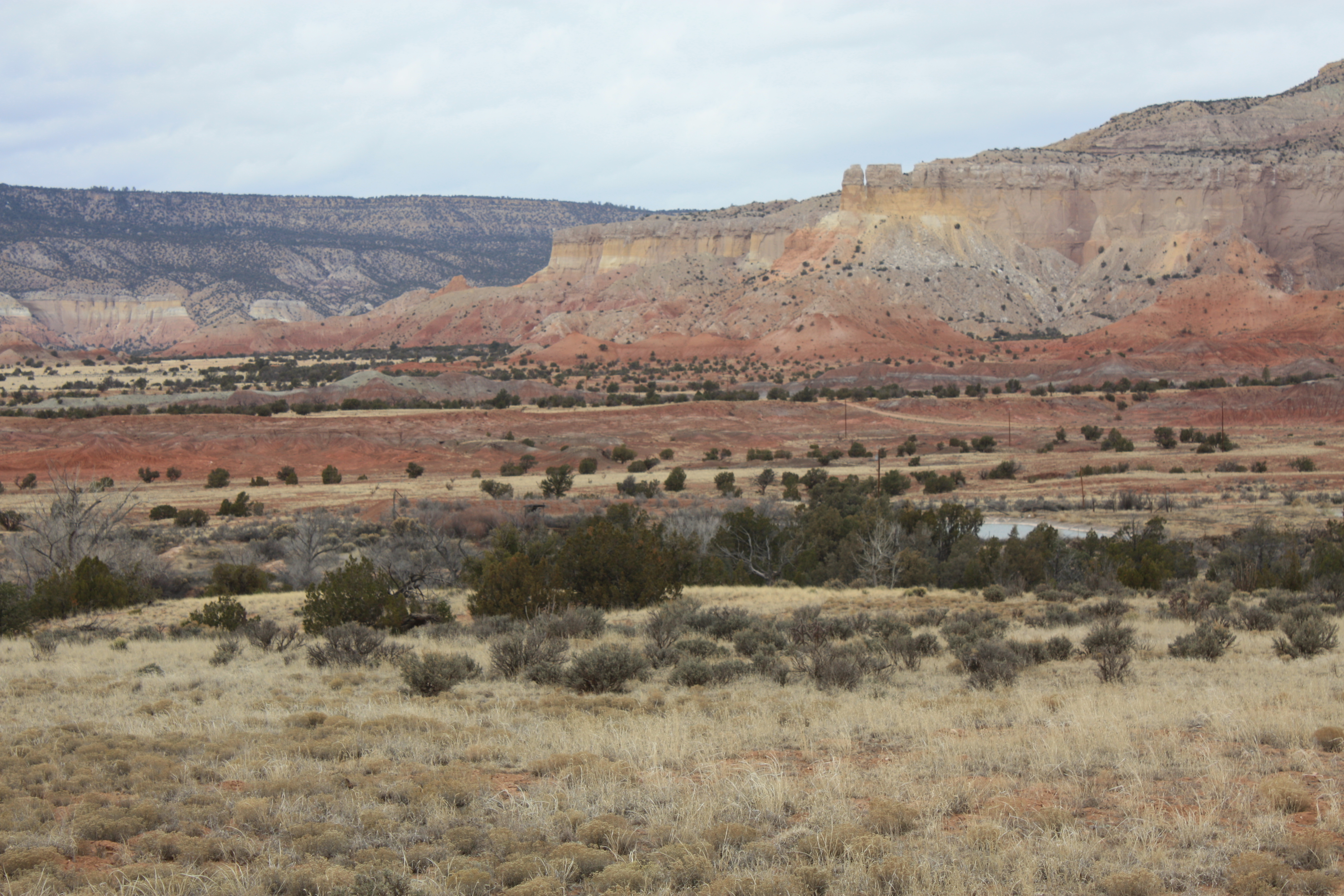
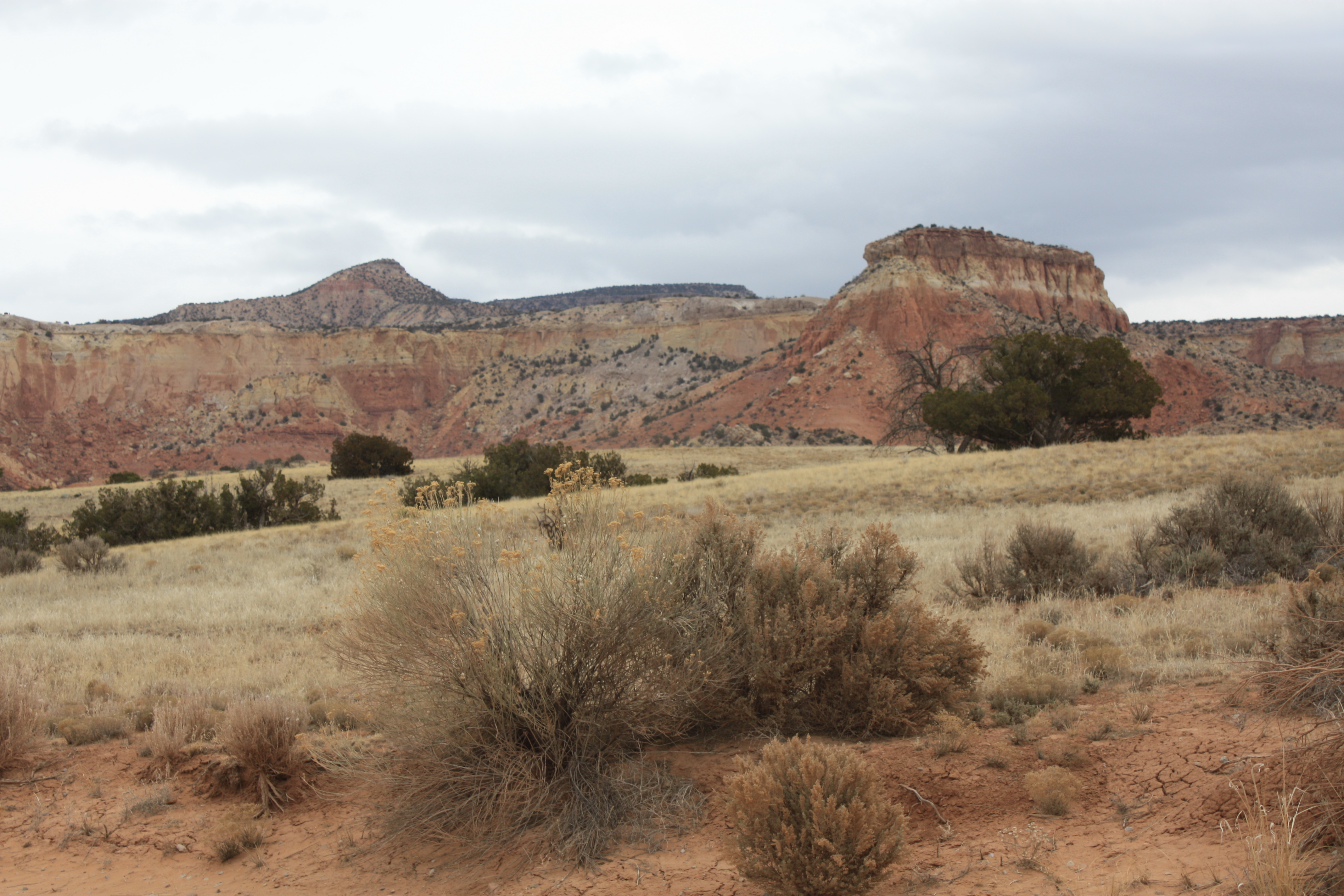
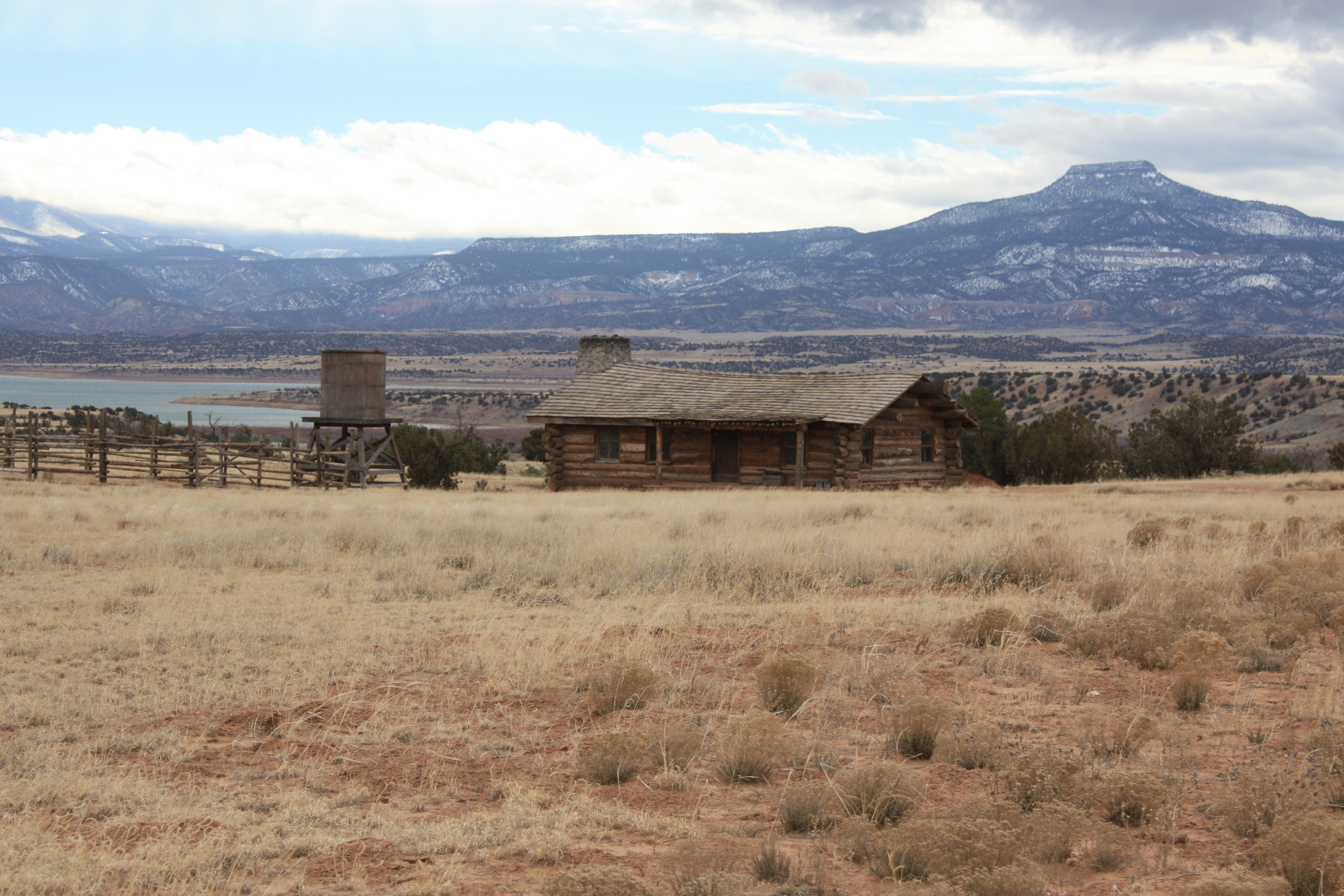
Northwestern New Mexico drew Georgia O’Keefe to paint the geological wonders shaped by wind, water, and the earth’s natural colors.  Her landscapes captured the hills, mountains and cliffs near her Ghost Ranch, Abiquiu, Chama River Valley, Alcalde, Tierra Azul and beyond.  She began painting these landscapes in the 1930’s and 1940’s and continued for nearly half a century.  The scenery looks much the same today as it did when O’Keefe began capturing it with her paint brushes.

silent dwelling . . . .

silent dwelling . . . .

craggy peak . . . .

craggy peak . . . .

a hill . . . .

a hill . . . .

Ghost Ranch relic . . . .

Ghost Ranch relic . . . .

Across the arroyo . . . .

Across the arroyo . . . .

Red and yellow cliffs . . . .

Red and yellow cliffs . . . .

golden prairie . . . .

golden prairie . . . .

Mesa with cabin in foreground . . . .

Mesa with cabin in foreground . . . .

Near Taos . . . .

Near Taos . . . .

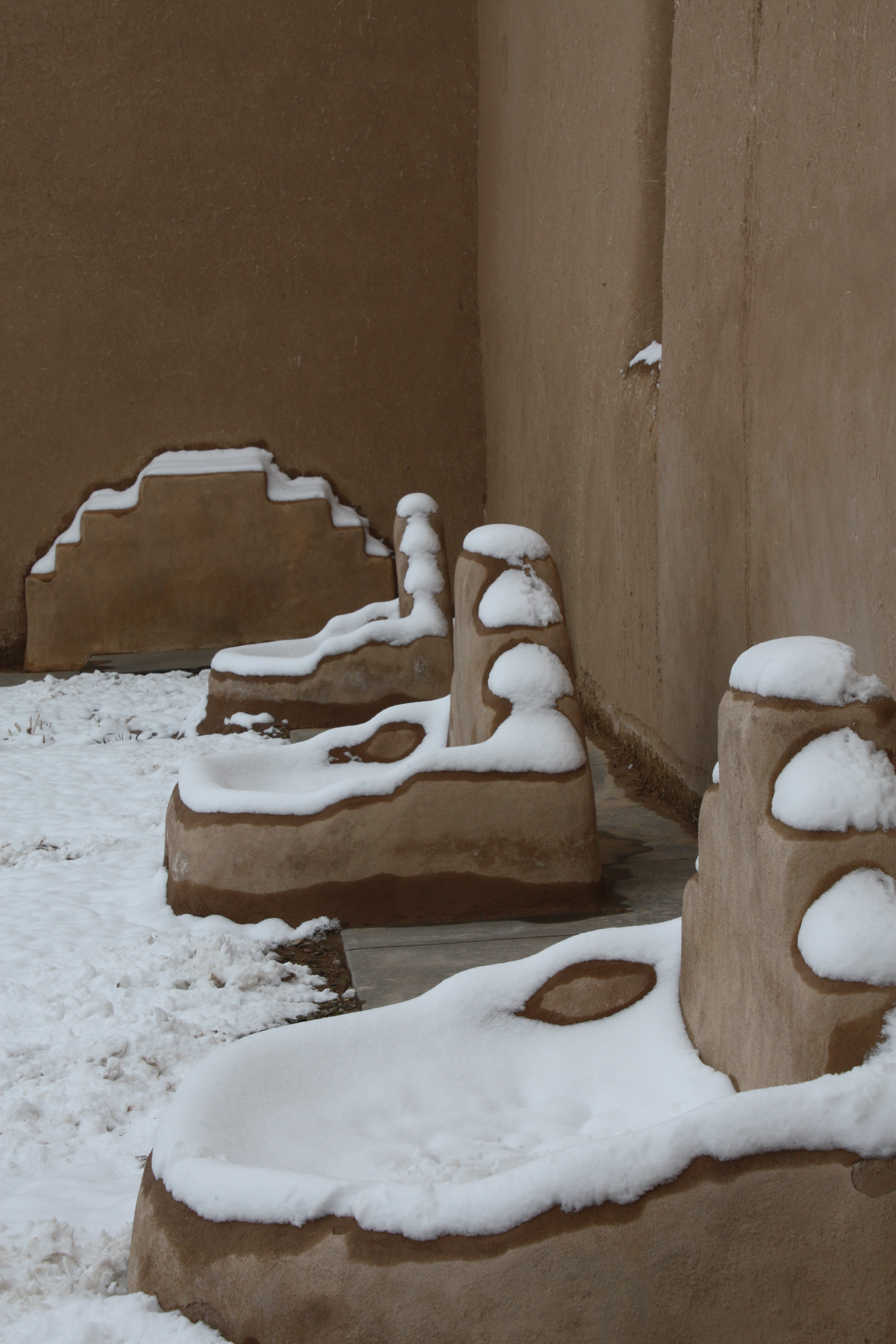
Adobe in snow . . . .

Adobe in snow . . . .

"Ranchos Church, Taos" . . . .

“Ranchos Church, Taos” . . . .

Frosted forms . . . .

Frosted forms . . . .

Woven interpretation . . . .

Woven interpretation . . . .

Kiva fire . . . .

Kiva fire . . . .

New Mexico, February, 2015

The Horse Won’t!

"You think I will, but I won't" . . . .

“You think I will, but I won’t” . . . .

Tilly, our two-year-old filly, has been through several sessions of trailer training and for a period of time she did pretty well.  Horses, who are naturally claustrophobic, don’t like being confined in small spaces, especially when the doors slam shut and things begin to jiggle and bob as the trailer moves down the road.  This past winter when a trip to the vet was due,Tilly decided she had enough.  The past several trips had resulted in somewhat painful or uncomfortable procedures and she clearly had a negative outlook on what happens when she is coaxed and cajoled into the steel and aluminum monster, the horse trailer!  No amount of horse cake, cookies, apples, grain or hay would melt her resolve.

"If I stretch, I'll get a taste without getting in" . . . .

“If I stretch, I’ll get a taste without getting in” . . . .

After several frustrating attempts to load her resulting in a rodeo and total failure, the horse trailer became Tilly’s feed bunk.  All her hay and treats were stored at the front end of the trailer.  The feed bunk in her barn was left empty except for her mineral salt block.  This drove her nuts.

"I don't have to" . . . .

“I don’t have to” . . . .

Pacing back and forth, Tilly seemed uncertain what to do about her next meal.

"You can't be serious!??" . . . .

“You can’t be serious!??” . . . .

She seems to be looking at us in total disbelief that she would be expected to voluntarily enter the iron monster for her food.  Not this horse.  Not this day.

"I'll show them how unhappy I am!" . . . .

“I’ll show them how unhappy I am!” . . . .

By the next morning, Tilly was hungry and out of patience with us.  She ripped into a bucking, kicking stampede just to demonstrate to us she was not happy.

"This should get their attention!" . . . .

“This should get their attention!” . . . .

More to come . . . .

"Are they watching?" . . . .

“Are they watching?” . . . .

Hunger can lead to a grouchy filly.  She doesn’t appear to be weakening.

"Maybe I'll just jump the fence and have some grass" . . . .

“Maybe I’ll just jump the fence and have some grass” . . . .

Or wearing down.

"Maybe I'll have a little taste of Feed Lot's hay" . . . .

“Maybe I’ll have a little taste of Feed Lot’s hay” . . . .

Feeding Abe a.k.a. “Feed Lot” his morning ration was probably a little cruel, but he has no trouble loading in the trailer so why should he suffer?

" No you don't eat my hay!"

” No you don’t eat my hay!”

Feed Lot is on the fight, raking his horns over the corral poles to warn her away from his breakfast.  What is a hungry horse to do?

"Ill pout in the barn for awhile for a little pity" . . . .

“Ill pout in the barn for awhile for a little pity” . . . .

Standing next to her hay stack, she seems quite pitiful.

"Can we talk?" . . . .

“Can we talk?” . . . .

Another few rounds in the corral and she is tiring.

"I can smell the hay" . . . .

“I can smell the hay” . . . .

It is day two and evening is approaching.  Neighbor Tom, who has been observing from afar, said he thought she might be starving to death!

"I am thinking about it" . . . .

“I am thinking about it” . . . .

She went this far several times as we waited, hoping she would climb in and have her evening meal.  Not so fast!

"Not taking these feet off the ground!" . . . .

“Not taking these feet off the ground!” . . . .

As we left for the house, I heard her stomping on the trailer floor and thought, maybe, just maybe.  Naw.  Two hooves still on the ground.

"I'm not liking it all that much!" . . . .

“I’m not liking it all that much!” . . . .

Morning of the third day,Tilly’s hay sack was empty.  She had been in the trailer several times and eagerly jumped in for her horse cakes and morning hay.  We continued feeding her in the trailer for several days and she began to spend quite a bit of time there. And at last, here she is in her trailer, taking her first joy ride into town.  We’ll do a few more of these before she has to visit the vet again, and then we’ll do it a few more times to see if she can get over her fear of riding in her trailer.  Who knows, maybe she’ll love going into town to get the mail every day!


Where Eagles Soar

A mature "baldie" hangs out in the tree top . . . .

A mature “baldie” hangs out in the tree top . . . .

January 10 is the official day to count bald eagles, America’s national bird.  We had such a great time last year, we volunteered to do it again.  We left at daybreak to cover our assigned routes from Kaycee to Mayoworth, across the mesa, along Greub Road to Trabing Road and old U. S. 87 to I-25.  We sighted over a dozen eagles, including a number of golden eagles, which are my favorite.

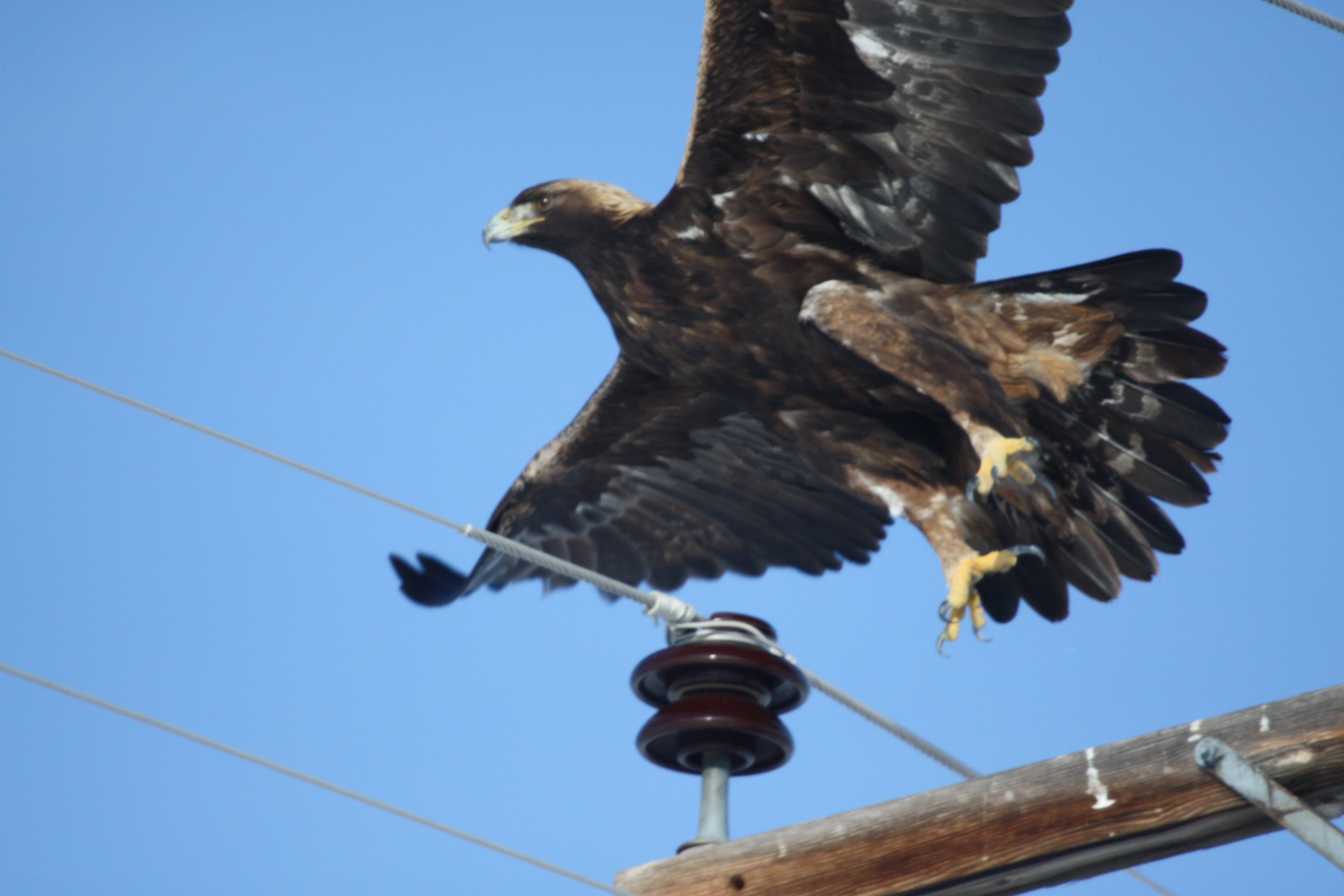
"Too close for comfort!" . . . .

“Too close for comfort!” . . . .

This beautiful creature was sitting on a telephone pole until we came too close and he took off in flight.  They are amazing to watch and I had to grab a hurried shot as he departed.  This is a mature golden eagle and our closest encounter of the day.

A juvenile bald eagle? . . . .

A juvenile bald eagle? . . . .

This eagle had what looked like a growth of light-colored feathers around his crown, which would indicate he was an immature bald eagle.  As it turns out what we saw was a wash of gold around the crown of a young golden eagle.  This majestic bird has a wing spread of about 7 feet and in flight is readily identified by the white flash in the wings and tail mottled with white at the base.

oops.  Immature golden? . . . .

oops. Immature golden? . . . .

Making a positive identification is somewhat difficult, as these birds are on the move.  We also sighted some hawks, lots of deer, antelope and a rooster pheasant.

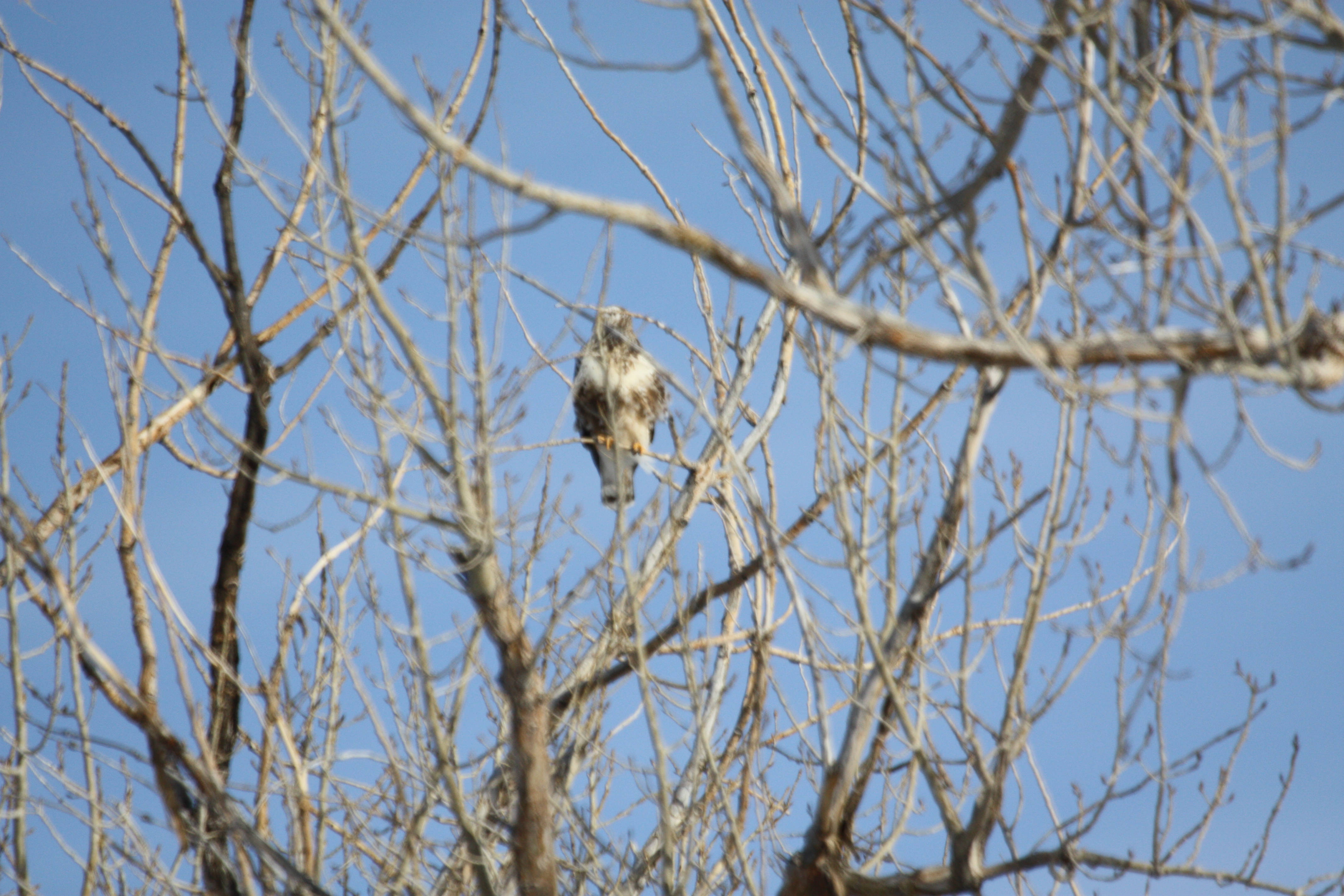
Rough legged hawk . . . .

Rough legged hawk . . . .

This big hawk lives in open country.  He is larger than most other hawks in the area, with somewhat longer wings and a white tail with black band toward the tip.

"Where's lunch?" . . . .

“Where’s lunch?” . . . .

High ridge lines are a good vantage point to watch the prairie for movement of rabbits, voles or prairie dogs.  We studied this eagle for awhile and decided he was probably a golden, but it was at too great a distance to be certain.

The breakfast club  . . . .

The breakfast club . . . .

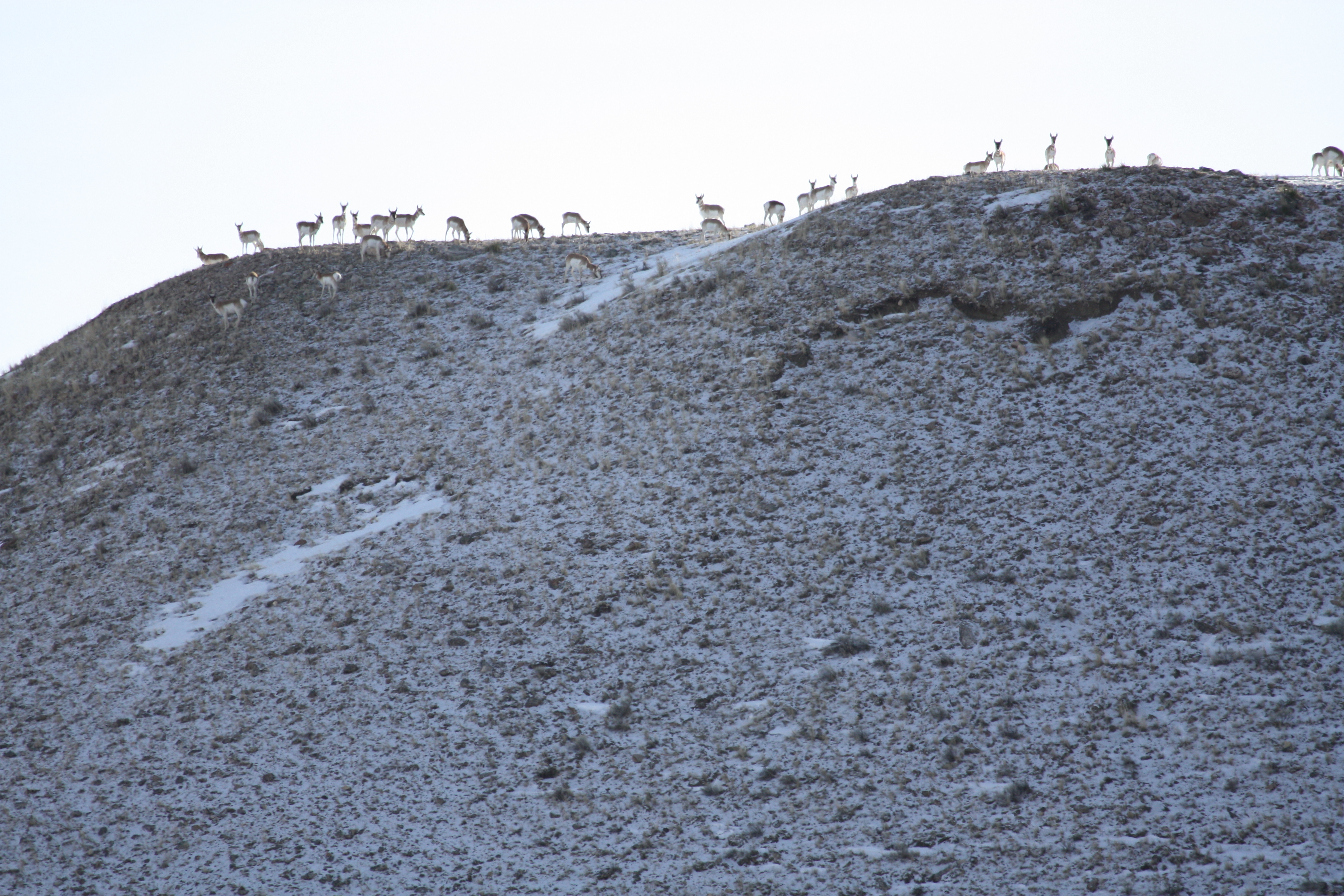
Antelope grazing on a windswept hill, as forage is easier to obtain where the wind blows the snow away.  They seem to be enjoying the early morning sunshine too.

Feed Lot Goes To Town

"So, what about my horns?" . . . .

“So, what about my horns?” . . . .

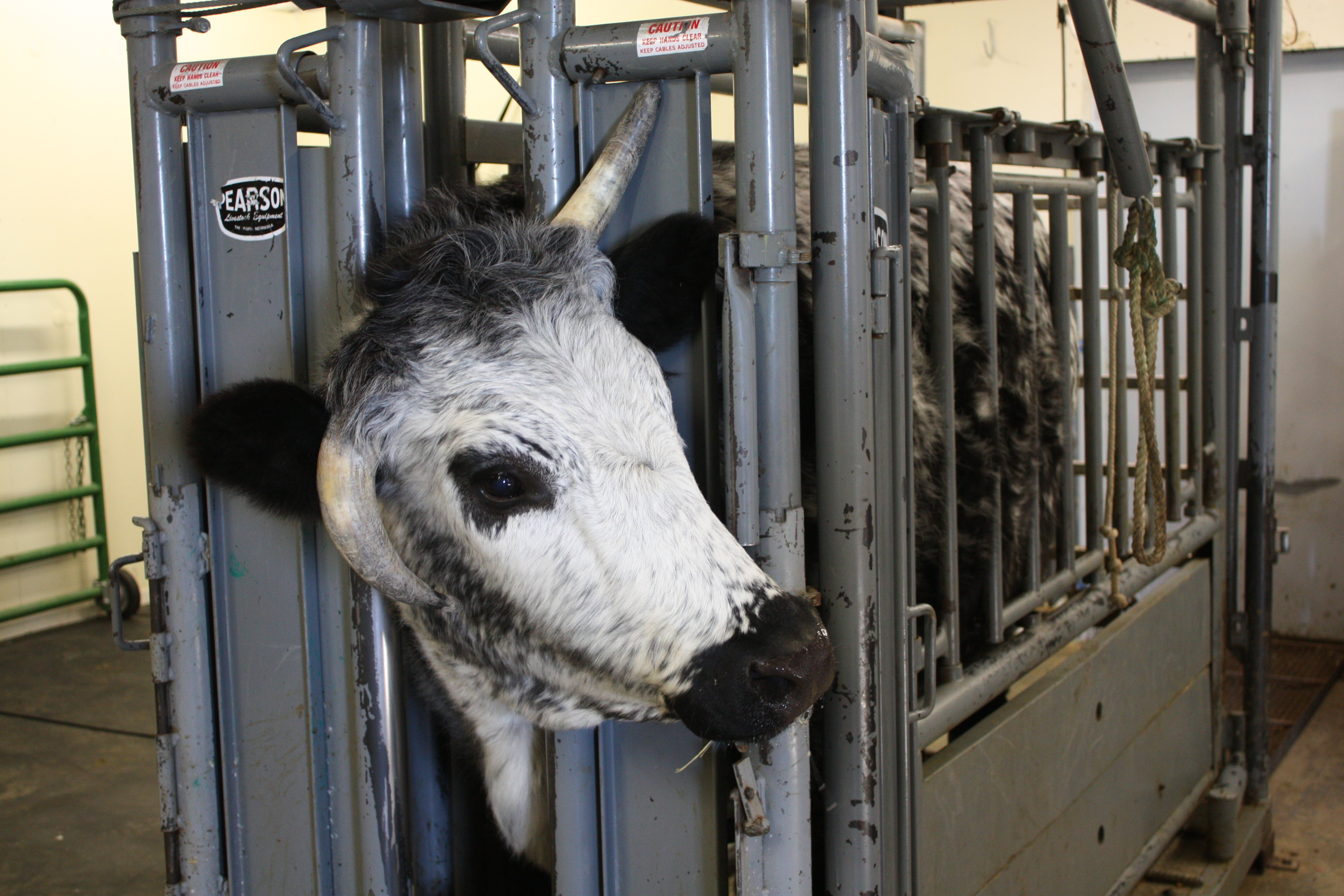
Our Angus/Long Horn steer Abraham (a.k.a. “Feed Lot,” “Meat Ball,” “Rib Eye,” and a variety of other misnomers) has a rather peculiar set of horns.  One grows up into a point and one curves down toward his jaw.  Recent growth of the downward curving horn had reached his jaw and the upward growing horn had become a lethal weapon of about 8 inches that he used to great advantage.  Something had to be done to both horns, and after a consultation with our vet, we decided he needed a “trim.”

"hey, what did I do to deserve this?" . . . .

“hey, what did I do to deserve this?” . . . .

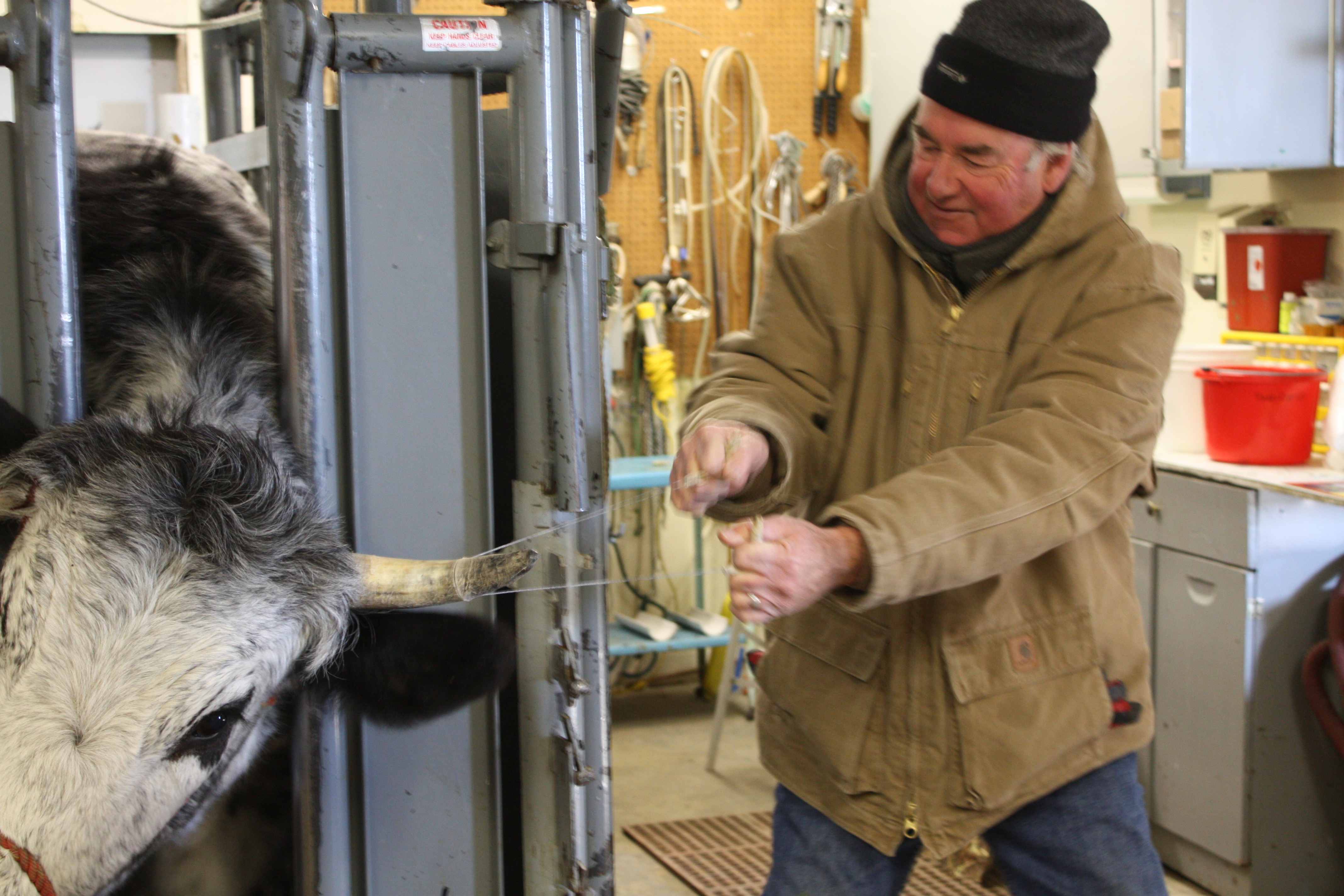
Abe’s first experience with a squeeze chute.  An ignominious end to a friendly hop into the horse trailer, a wary jump out into a pen, a hurried trip down a long winding chute and into this warm new environment at the clinic.  He’s thinking there is only one thing wrong with this picture.  “After being such a nice boy, this is how I’m treated?”  And this is just the beginning.

What a pretty red halter - just your color! . . . .

What a pretty red halter – just your color! . . . .

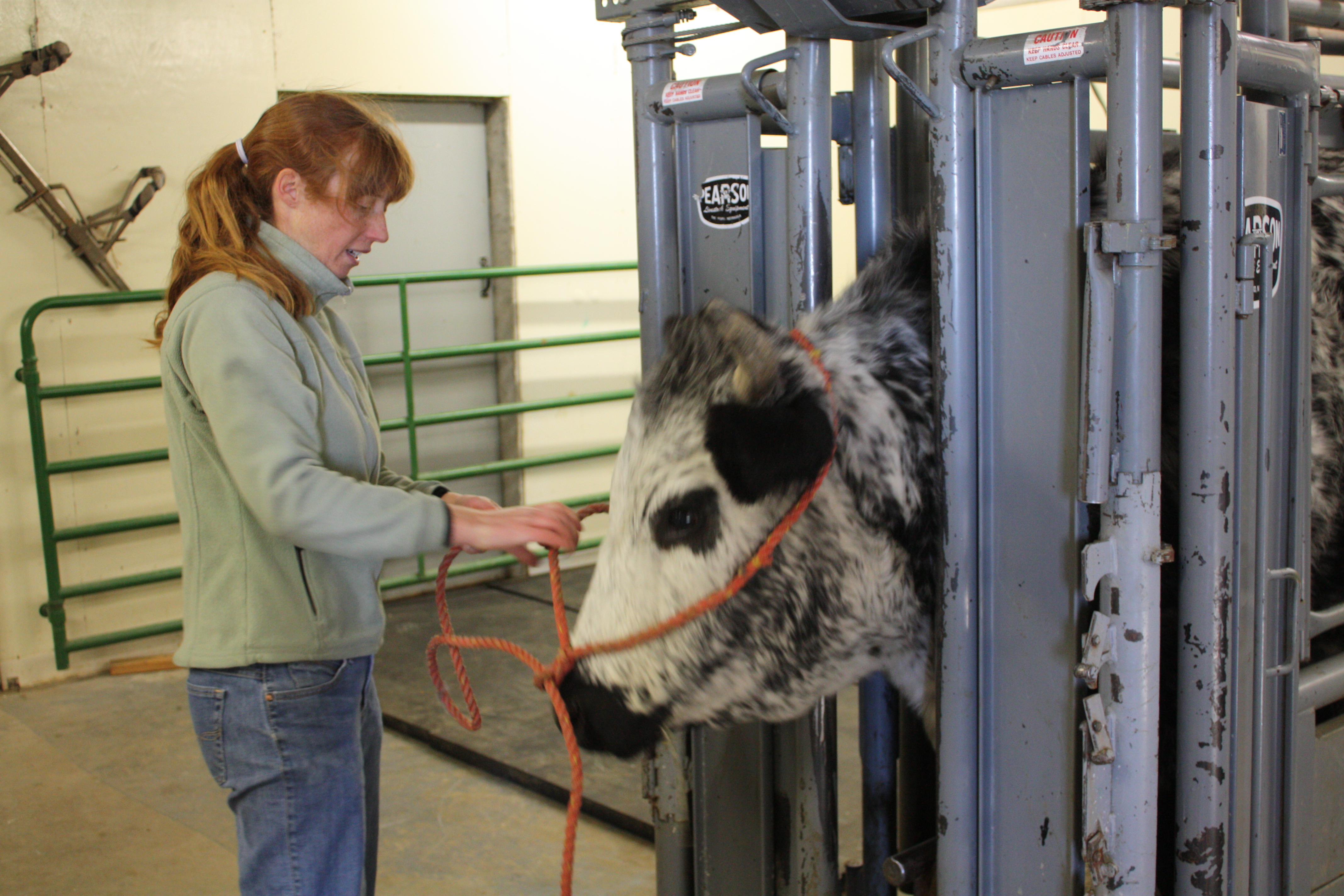
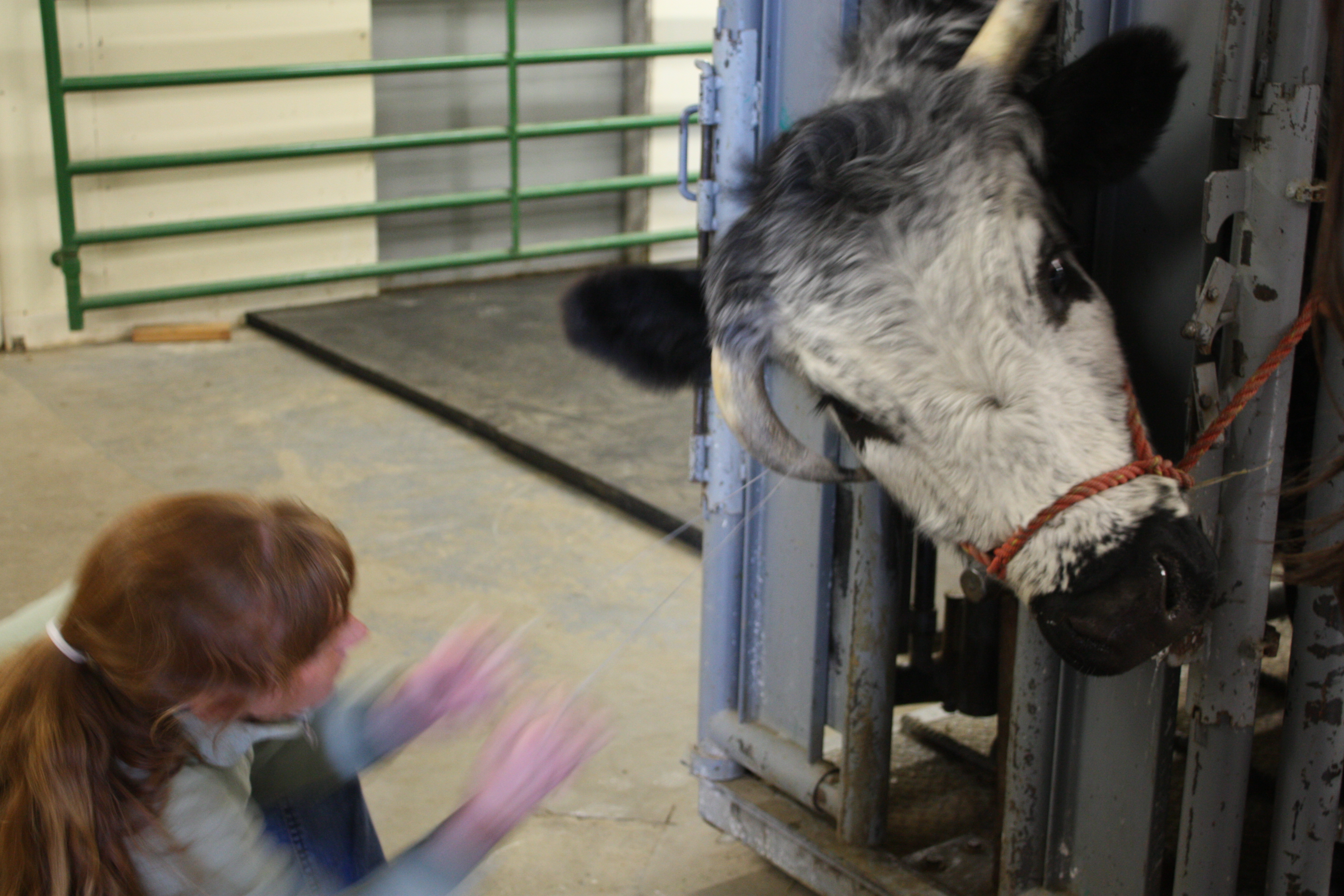
We have never tried to halter this big boy – it seems  a little like trying to get a lasso on something too big to handle, unless he’s in a squeeze chute.  So far, he is curious but reasonably trusting.  He has never known anything but human kindness (unless of course you count his experience as a calf which changed the course of his life from being a bull to a steer, but that was a small thing).

"This won't hurt a bit!" . . . .

“This won’t hurt a bit!” . . . .

A wire saw cuts through the horn to remove a couple inches.  Hopefully it will not grow back soon – we may have a little trouble convincing Feed Lot to go to town with us again.

"You'll get a treat after we do the next one" . . . .

“You’ll get a treat after we do the next one” . . . .

A little paste of “Stop Bleed” and a bandage and we’re on to the next horn.  So far, so good.

All hands on deck! . . . .

All hands on deck! . . . .

Michael assisted with the upright horn, which was at a difficult angle.  This horn poses no problem for Abe, but it is certainly a problem for everyone else, including Tilly!  Abe is like a big dog – he gets excited and romps around, bucking and kicking and waving his horns with great abandon.  You could say his horns were a dilemma, what with one growing into the side of his jaw and the other pointed God knows where.

Back safely at home in the pasture, Abe made a beeline for neighbor Tom’s fence to seek some sympathy and comfort from his mother who lives next door.  He worked his bandages off after a day or two and seems to have recovered from his ordeal.  The horse trailer filled with sweet hay disappeared and it is just as well.  Doubtless Abe will think twice before being lured in anytime soon!


Deep In December . . . .

"what's this?" . . . .

“what’s this?” . . . .

Christmas Eve, 2014

We braved the wintry blast to travel to Denver in late December, taking care of routine appointments, shopping for Christmas presents, visiting a few old haunts, and marveling at children of all ages singing or playing musical instruments in holiday concerts.  Family gatherings with good food and conversation topped off our winter sojourn away from the country life we normally live.

Upon our return we found a foot of snow still lingering and the thermometer barely hovering above zero.  Rosie wiggled with excitement to see us; Bleu roused from his slumbers to yawn, stretch and purr; Mr. Mouse, the barn cat returned from the hunt to be tucked into his warm bed; and the geese called out a raucous greeting from their pen.

The next morning, as we dressed in our barnyard finery to resume our routine and tend to the chores, it seemed a stark contrast.  We hauled buckets of water and grain, opened doors to greet a little sunlight and thaw things out, gathered eggs and heard the news from the hen house, turned the geese out from their pen, walked to the barn to muck Tilly’s stall, groom her and turn her out for the day, threw down fresh hay for Feed Lot the steer, and watched with bemusement as Tilly raced around the barnyard bucking, kicking and harassing her buddy Feed Lot, whose only real interest in life is his next meal.  Bird feeders had to be replenished and water bowls filled to help our furry little friends through the cold.
resting in snow caves . . . .

resting in snow caves . . . .

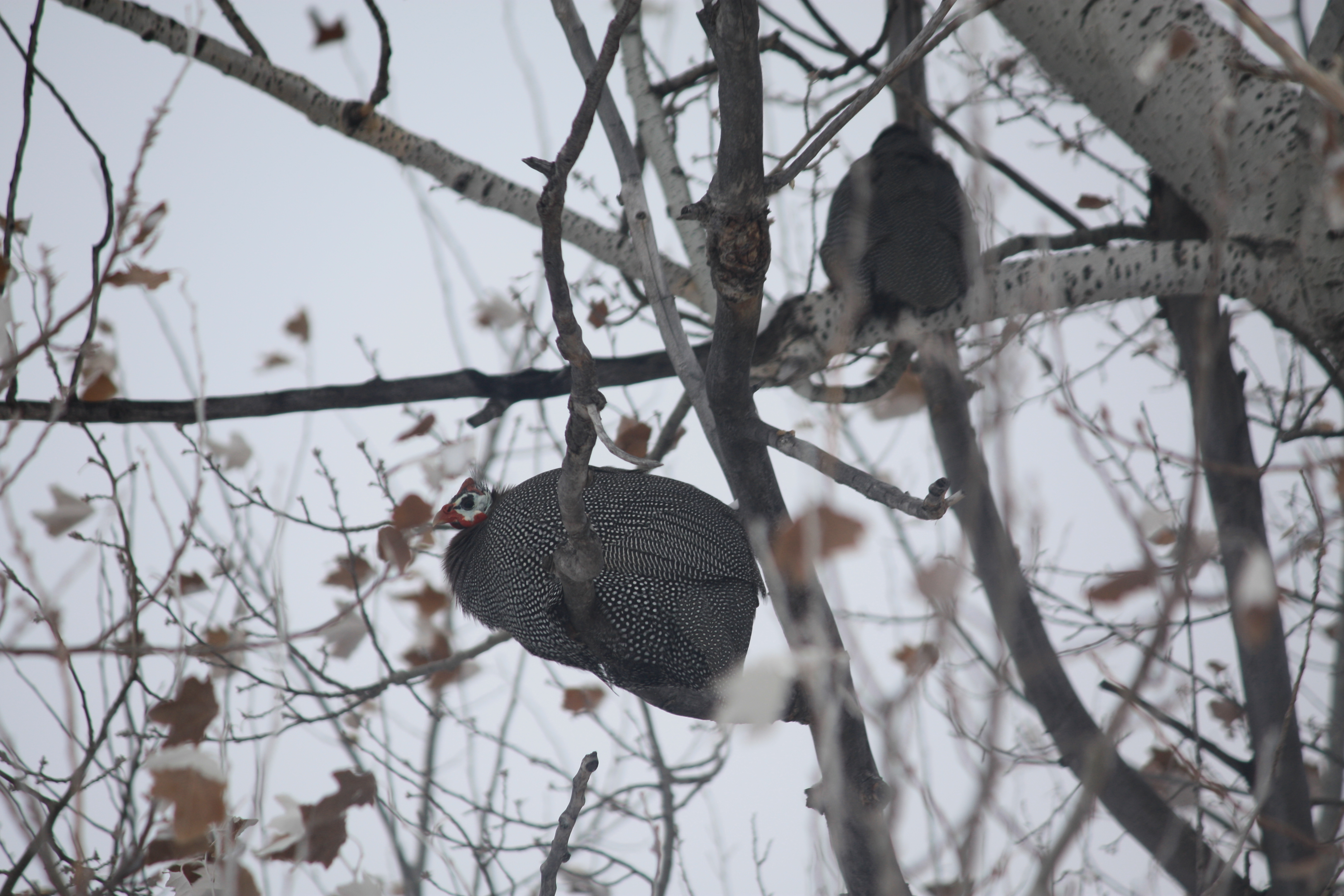
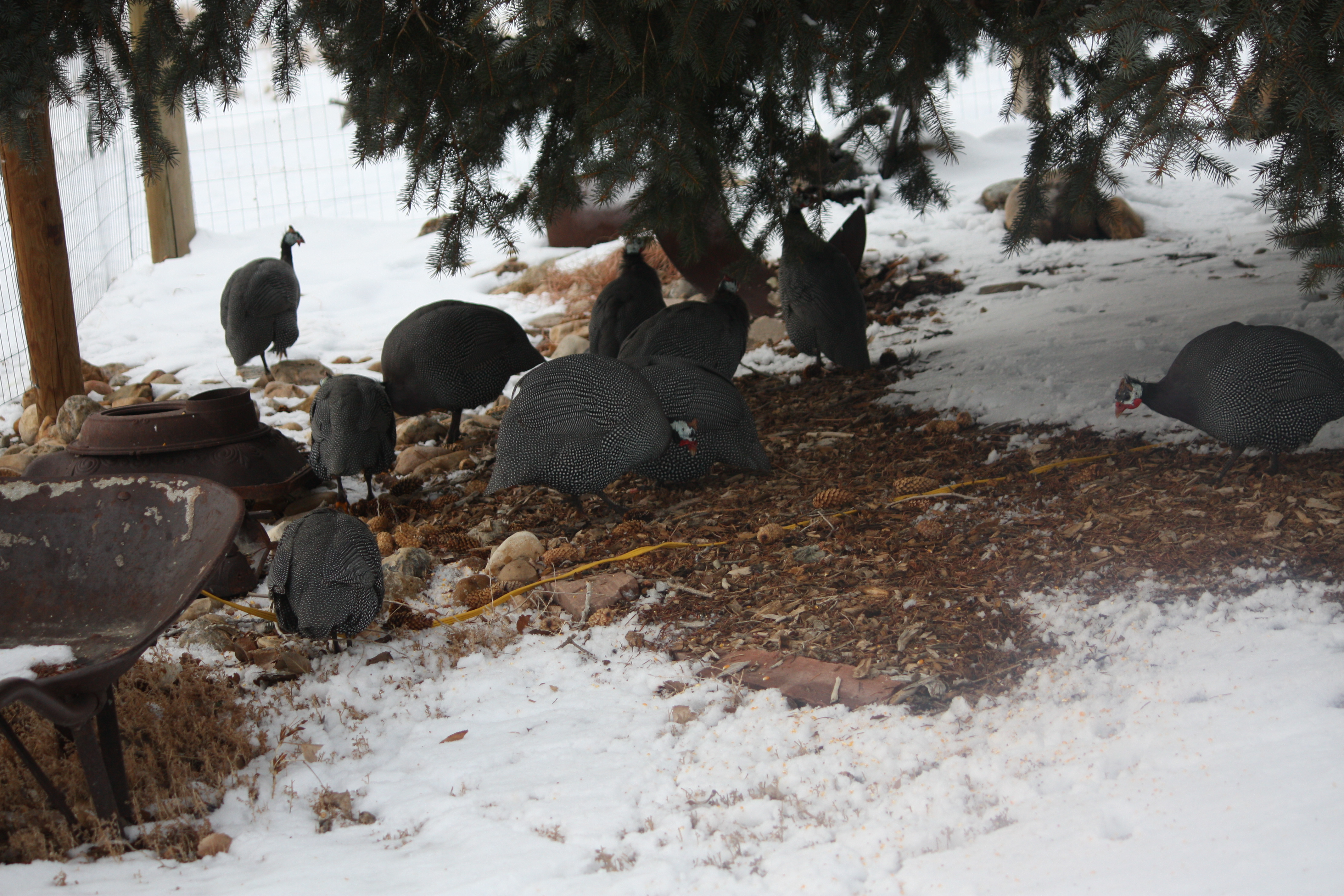
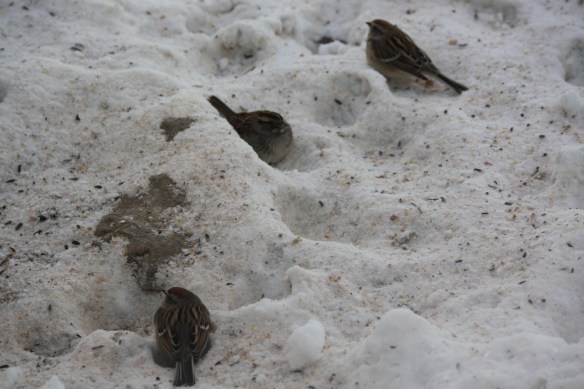
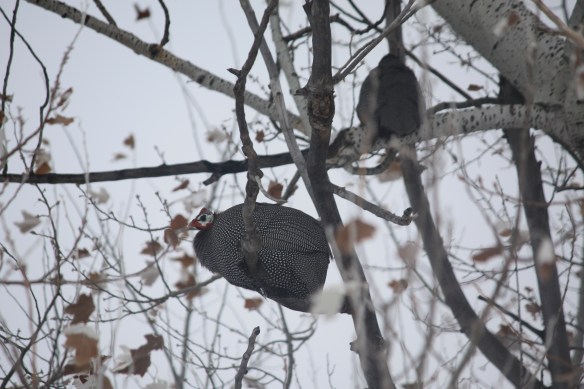
When we first spied these sparrows huddled in impressions in the snow, we thought something was amiss.  We watched them for a while and decided they were trying to stay warm out of the cold wind, unlike the guineas who bolted from their new abode on the eve of our departure for Denver.  We finally located them strung out in the tallest branches and marveled they had not frozen or been captured by predators.  They refused to walk in the snow, but finally flew down to rest under the branches of a giant spruce tree in the front yard.
poor cold guineas high in a tree . . . .

poor cold guineas high in a tree . . . .

The plight of the guineas will take some time to resolve.  For now, we are tossing them scratch grains to sustain them until they decide to move back indoors where a heat lamp will keep them warm.

a port in a storm . . . .

a port in a storm . . . .

Our family in the wild varies from season to season.  For now, a great horned owl watches our comings and goings from a branch high in the very spruce tree where the guineas are roosting at night.  We believe a mating pair have been serenading us in the pre-dawn and early evening hours and we are hopeful they will build a nest close to the house so we can watch the development of their young.  For now, we hope the owl and the guineas find room to share the sheltering branches of the spruce.

"these noisy, pesky guineas interrupted my nap!" . . . .

“these noisy, pesky guineas interrupted my nap!” . . . .

Mule deer circle the house and yard throughout the day, and we chopped ice on the pond for them to drink.  Two beautiful four-point bucks paid us a visit and I hope they will return so I can photograph them.  They browse on the sage, willow twigs, leaves and dried grasses in the creek bottom.  They do not fear us, but slowly melt into the trees or sage, watching us with great brown eyes, ears extended, noses twitching to detect any change in our behavior as we walk along our path each day.008This young doe is searching for a few sunflower seeds dropped from the bird feeders.  She is standing right outside the bay window in our living room.

a yule log for winter solstice . . . .

a yule log for winter solstice . . . .

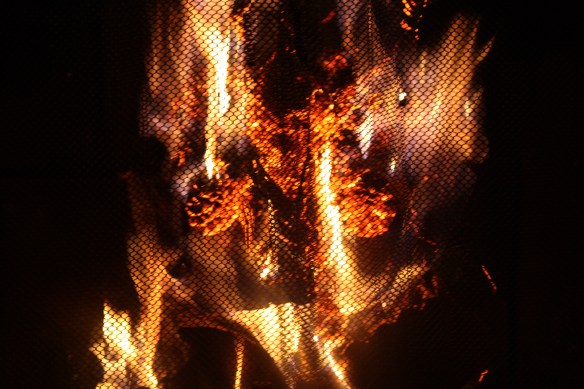
We selected a large chunk of boxelder for our yule log and decorated it with sage, spruce branches, pine cones and cedar.  The boxelder tree was planted in the family garden 50-odd years ago by my grandmother to provide a little shade and a respite from the hot sun. When a large limb fell under the weight of an early-season snow storm last September, we saved the stump for our annual winter solstice celebration.
bringing light to the longest, coldest night . . . .

bringing light to the longest, coldest night . . . .

We spent a few moments remembering Granny as she rested from her labors in the garden beneath the shade of the boxelder.  The tree still stands where she planted it.

oh Christmas tree! . . . .

oh Christmas tree! . . . .

We chose a tall, skinny Black Hills spruce tree for a spot by the piano.  Decorated with Scandinavian ornaments, it will spend 10 days indoors and then the rest of the winter in the garage.  We will plant it in the spring among all the other former Christmas trees.

stockings will be hung . . . .

stockings will be hung . . . .

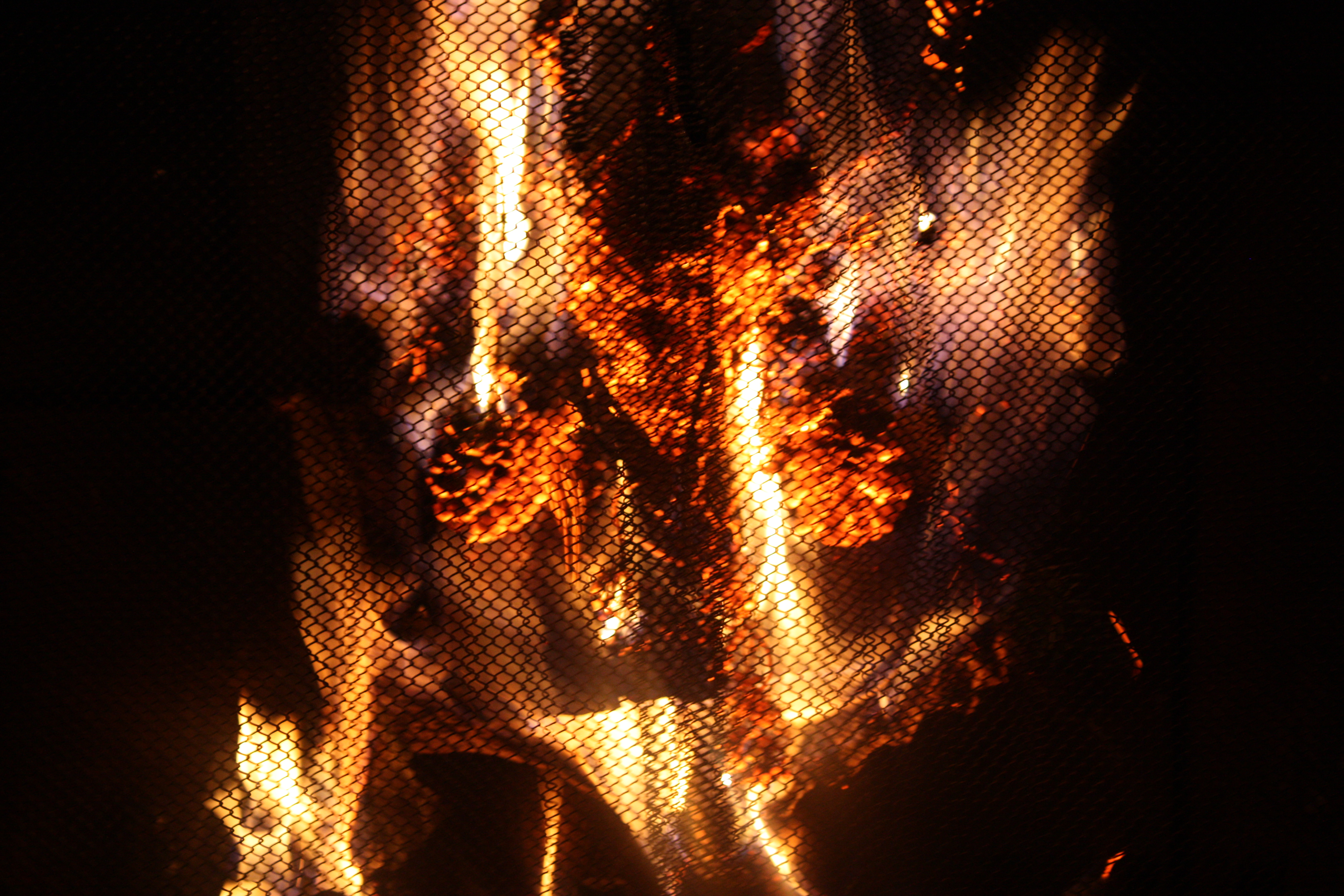
We finished our chores at the wood pile, splitting wood for the stack and some for the sled to be hauled to the house for the evening fire.  It was good to contemplate the warmth of a crackling blaze, and we spent the evening addressing our Christmas cards and remembering for . . . .

. . . . .deep in December our hearts should remember and follow.

                                     Merry Christmas from Dry Creek!